Tasmania | Hobart to Cradle Mountain Road Trip Itinerary
11 days of exploring breathtaking nature and beautiful coastlines
Day 1: Hobart
Start your Tasmanian adventure in Hobart and enjoy the contrasting blend of heritage, scenery and culture the city has to offer. If you’re lucky enough to be in Hobart on a Saturday, make sure you visit Australia’s most loved and vibrant outdoor markets - the Salamanca Markets.
Things To Do
-
Explore Salamanca Market & Battery Point - Start your trip with a wander through Salamanca Market (Saturdays) or the historic Salamanca Place any day of the week. You’ll find local produce, art, and crafts, plus plenty of cafes and bars. From there, stroll up into Battery Point, a charming neighbourhood full of colonial cottages, narrow lanes, and a real “old Hobart” feel.
-
Visit MONA (Museum of Old and New Art) - A short ferry ride from Hobart’s waterfront takes you to MONA, one of Australia’s most unique and thought-provoking museums. It combines cutting-edge contemporary art with ancient artifacts, all in a dramatic riverside setting.
Where To Stay
Discovery Parks Hobart - Discovery Parks Hobart offers family-friendly cabins and powered sites near Hobart’s waterfront, with easy access to city attractions and Tasmanian wilderness.
 Image: Instagram - @_letsescapetogether_
Day 2: Hobart to Strahan
Distance: 314 km
Travel time: 4 Hours 35 minutes
From Hobart, head northwest towards your first stop - the fishing village of Strahan. Strahan is full of stories from the days of convicts and pioneers. However, these days Strahan is an iconic travel destination with delicious local produce and artisan wares.
Things To Do Along the Way
-
Russell Falls & Mount Field National Park - Just over an hour from Hobart, Mount Field National Park is home to the famous Russell Falls, one of Tasmania’s most photographed waterfalls. It’s an easy, short walk through lush rainforest with towering tree ferns and giant swamp gums. If you have more time, you can also explore Lady Barron Falls or hike further into alpine areas.
-
Lake St Clair (part of Cradle Mountain–Lake St Clair National Park) - Located on the Lyell Highway, Lake St Clair is Australia’s deepest freshwater lake and a serene spot to stretch your legs. You can take a short lakeside walk, enjoy the visitor centre, or simply soak up the stunning mountain backdrop.
Where To Stay
Big 4 Strahan Holiday Retreat - Nestled amidst 11 acres of stunning landscapes, this resort offers a unique blend of tall trees, serene platypus streams, ensuring the perfect getaway for an unforgettable holiday.
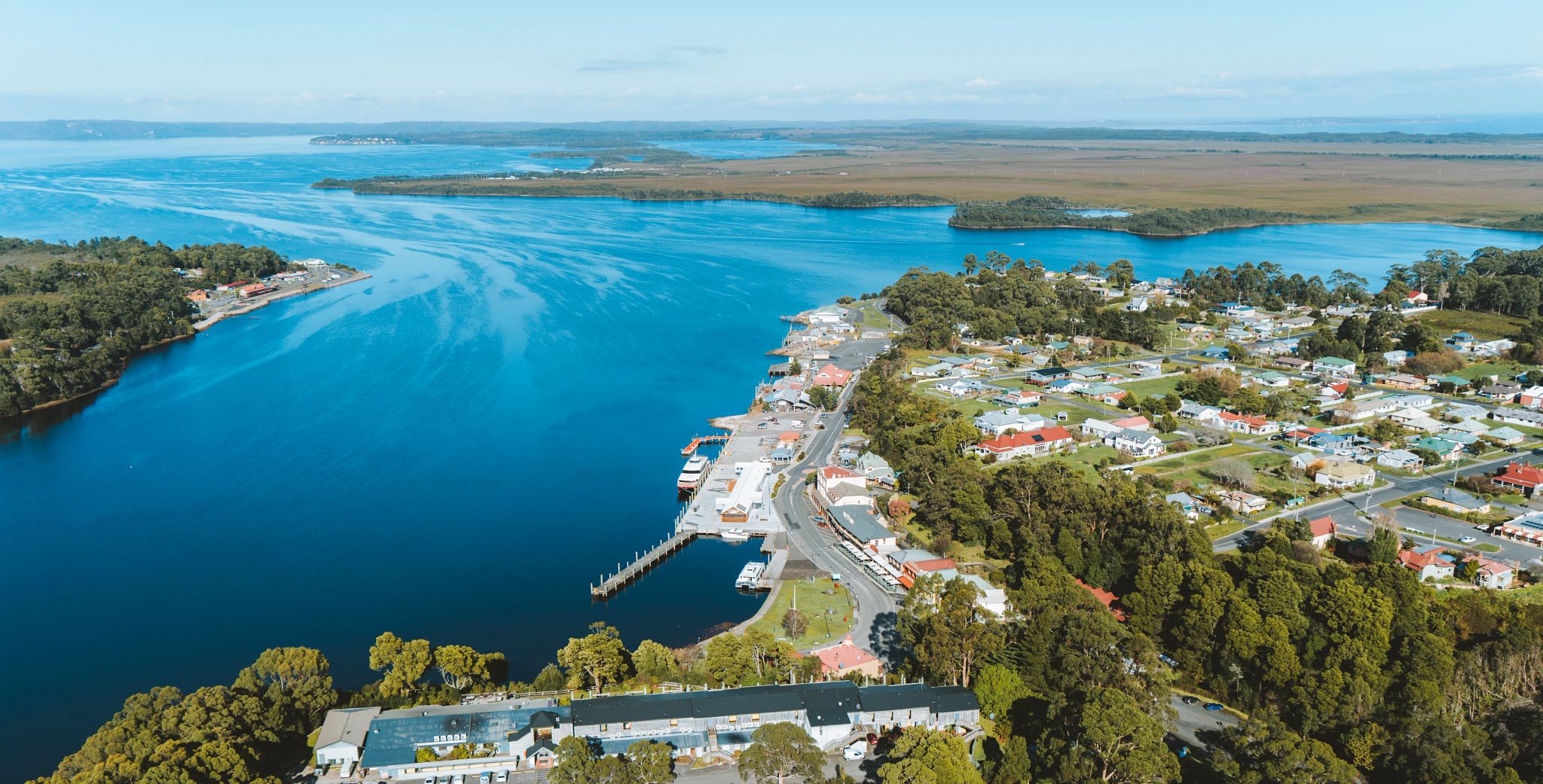 Image: Tourism Tasmania
Day 3: Strahan
Strahan is a small, remote harbour town on Tasmania’s wild west coast, known for its dramatic landscapes, fascinating history, and laid-back charm.
Things To Do
-
Explore the Gordon River - a major perennial river that travels through wilderness world heritage areas of the central highlands, southwest and western regions of Tasmania.
-
Uncover the history of Sarah Island - Tasmania's oldest convict settlement and reputedly one of the severest penal establishments in the history of transportation to Australia.
-
Search for platypuses at Hogarth Falls - Hogarth Falls is one of Tasmania’s 60 Great Short Walks. The 60 Great Short Walks offer the best of Tasmania's day walking opportunities.
Where To Stay
Big 4 Strahan Holiday Retreat - enjoy another night at this idyllic campground.
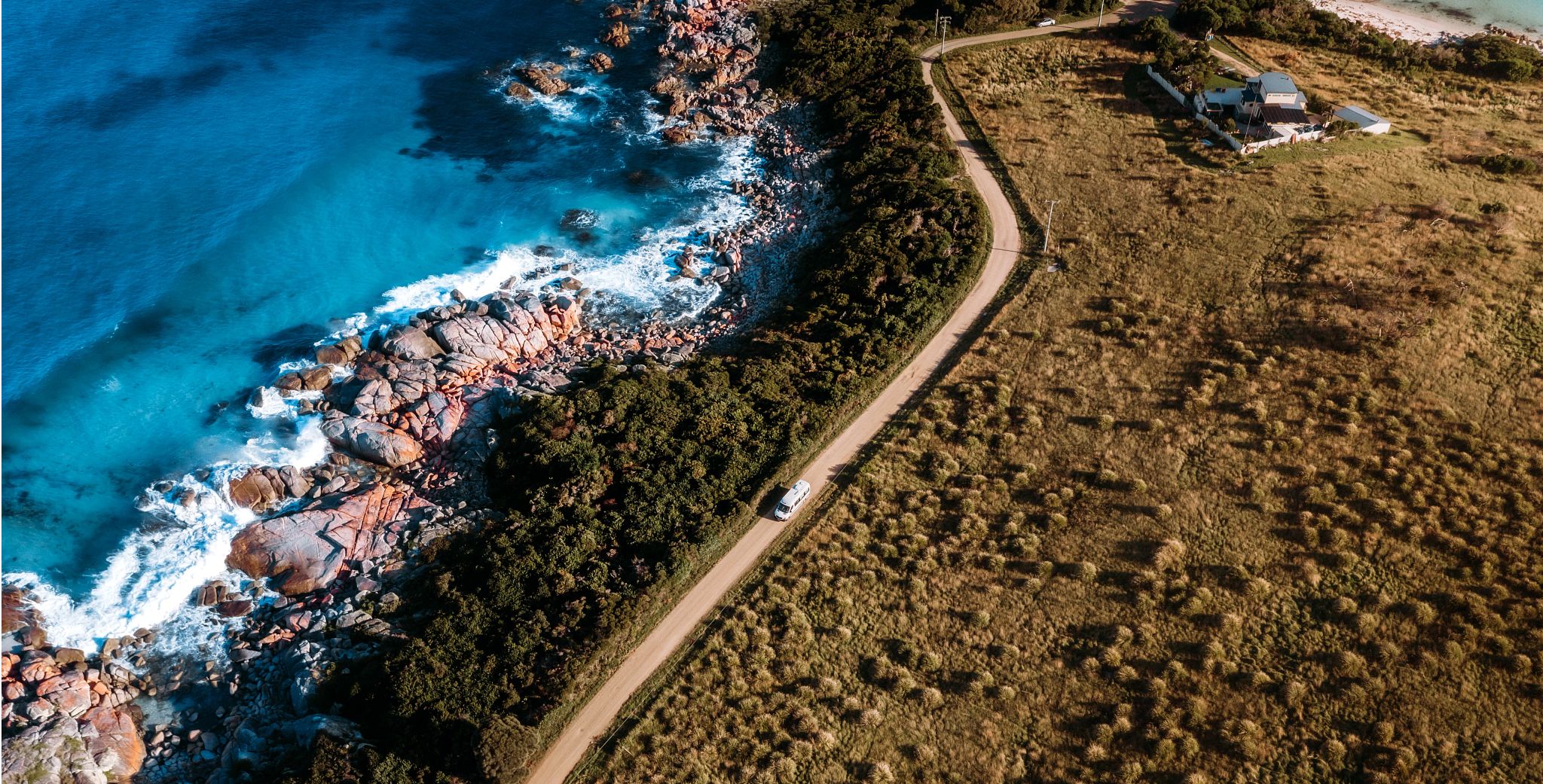 Image: Instagram - @_letsescapetogether_
Day 4: Strahan to Cradle Mountain
Distance: 138km
Travel time: 1 hour 55 minutes
Get ready for your pinch me moments. A 2 hour drive from Strahan will find you at Cradle Mountain, one of the popular gems in Tasmania. Be sure to charge up your camera on your way, we have a feeling you’ll be using it a lot as you drive past the magnificent alpine scenery.
Things To Do Along the Way
-
Queenstown – Just 40 minutes from Strahan, Queenstown is worth a wander. Once a booming mining hub, its stark, rocky hillsides give it an otherworldly look. You can explore the Galley Museum, check out the Iron Blow Lookout for sweeping views of the dramatic open-cut mine, or stroll the heritage main street. It’s a fascinating contrast to the wilderness that surrounds it.
-
Nelson Falls – On the Lyell Highway between Queenstown and Derwent Bridge, stop at the Nelson Falls walk. It’s a short, flat track (about 20 minutes return) through lush rainforest, leading to a beautiful waterfall surrounded by mossy green ferns and towering trees. It’s an easy, refreshing break on the way to the alpine highlands.
Where To Stay
Cradle Mountain Discovery Park - Cradle Mountain is set on the edge of world-heritage listed Cradle Mountain Lake St. Clair National Park, so a true wilderness experience is on the doorstep.
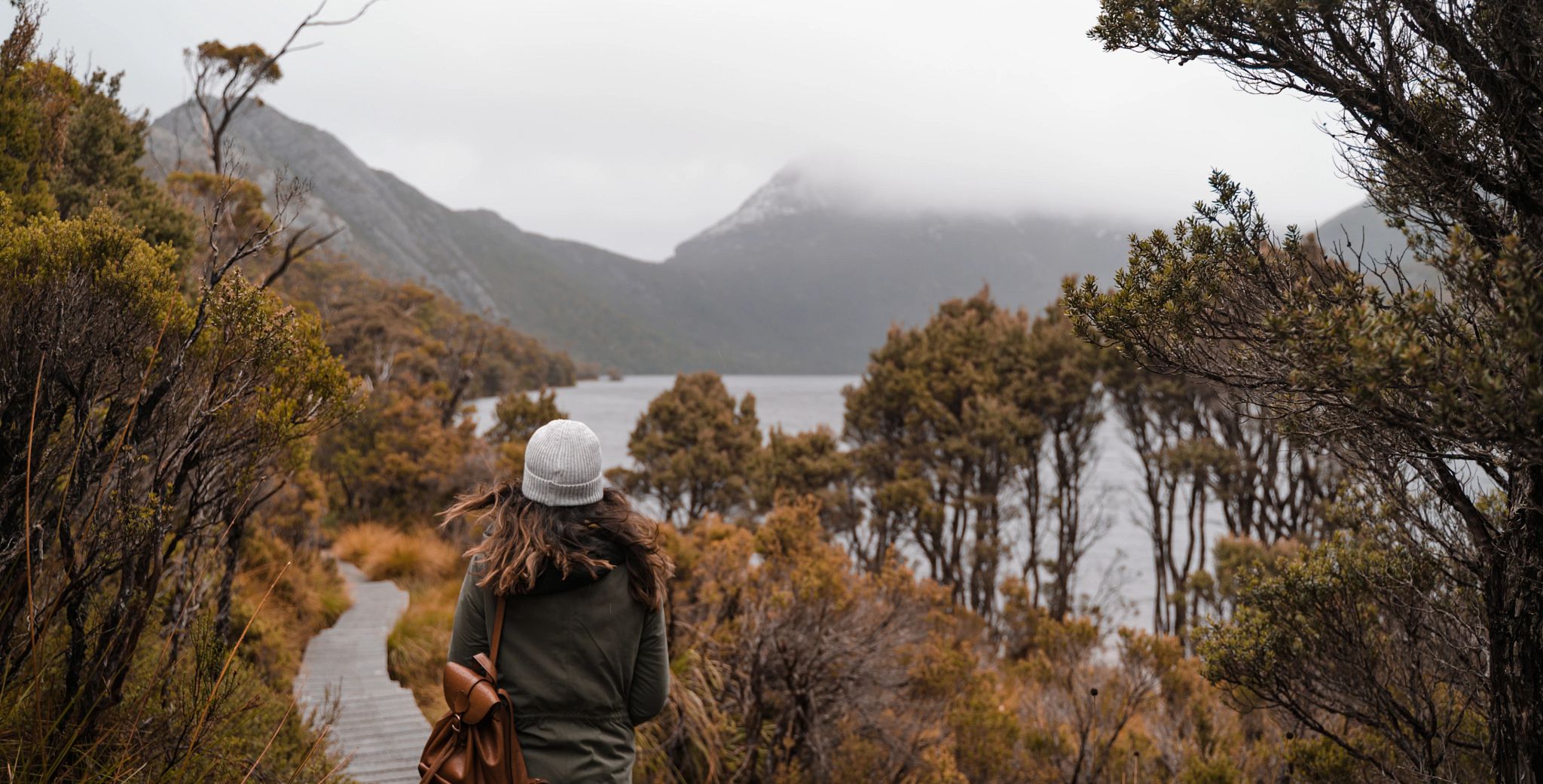 Image: Jake Ward
Day 5: Cradle Mountain
Dust off your hiking boots, they’re going to put to good use today. Explore some of the most jaw‑dropping scenery you’ll see in Australia on the Cradle Mountain hike. If you’re not feeling so adventurous, set up the tripod and take some photos at the famous Dove Lake.
Where To Stay
Cradle Mountain Discovery Park - Enjoy a second night in this magical wilderness setting.
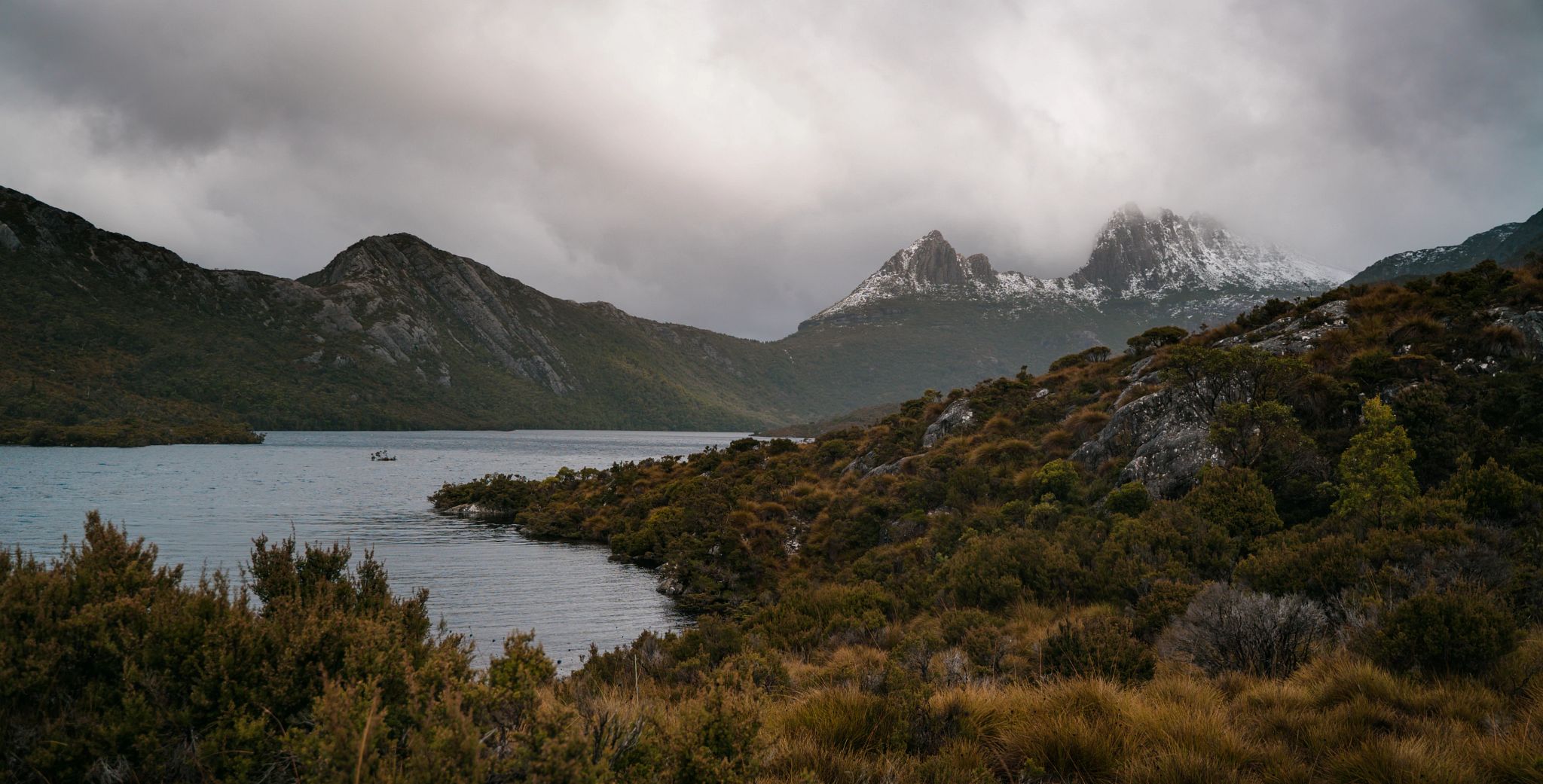 Image: Jake Ward
Day 6: Cradle Mountain to Launceston
Distance: 141 km
Travel Time: 1 hour 55 minutes
Bid farewell to Cradle Mountain and continue your journey along to Launceston. Less than 2 hours later, you’ll arrive at one of the most populated cities in Tasmania. If you’re in the area between December and January, head north to Bridestowe Lavender Farm to spend the afternoon wrapped up in purple hues, sweet scent and endless photo opportunities.
Things To Do Along the Way
-
Sheffield – 30 minutes from Cradle Mountain, Sheffield is famous for its vibrant outdoor murals that cover walls all over town. Each one tells a story of local history, culture, or nature. You can stroll the mural trail, visit quirky galleries and cafes, and soak up the small-town charm before continuing your drive.
-
Mole Creek Caves – Detour via Mole Creek to explore either the Marakoopa Cave (with its glow worms and underground rivers) or the King Solomons Cave (with dazzling calcite formations). These caves are part of the Mole Creek Karst National Park and give you a very different perspective on Tasmania’s natural beauty.
Where To Stay
Big 4 Launceston Holiday Park - Nestled in Tasmania’s second-largest city, Launceston, this camping ground is your gateway to exploring the wonders of Northern Tasmania.
 Image: Nick H Visuals
Day 7: Launceston to Freycinet
Distance: 185 km
Travel Time: 2 hours 35 minutes
Prepare to be spell bound, because Freycinet really will surprise and delight. About a 2.5 hour drive south‑west of Launceston, look forward to discovering the delights of Freycinet National Park. Don’t forget, you’ll need to purchase a park pass to enjoy this natural attraction.
Things To Do Along the Way
-
St Helens & the Bay of Fires - If you don’t mind adding a little extra driving, swing out to St Helens and the Bay of Fires. The region is famous for its white sandy beaches, turquoise water, and striking orange-lichen boulders.
-
Campbell Town – Roughly halfway between Launceston and Freycinet on the Midland Highway, Campbell Town is an easy stop to stretch your legs. You’ll find colonial-era architecture, the Red Bridge (built by convicts in 1838), and the fascinating Convict Brick Trail.
Where To Stay
Freycinet National Park Campground - The park is best known for the stunning beauty of Wineglass Bay - its crystal-clear waters and curvaceous white beach is one of Tasmania’s most celebrated views. Enjoy being close to the action at this fantastic campground.
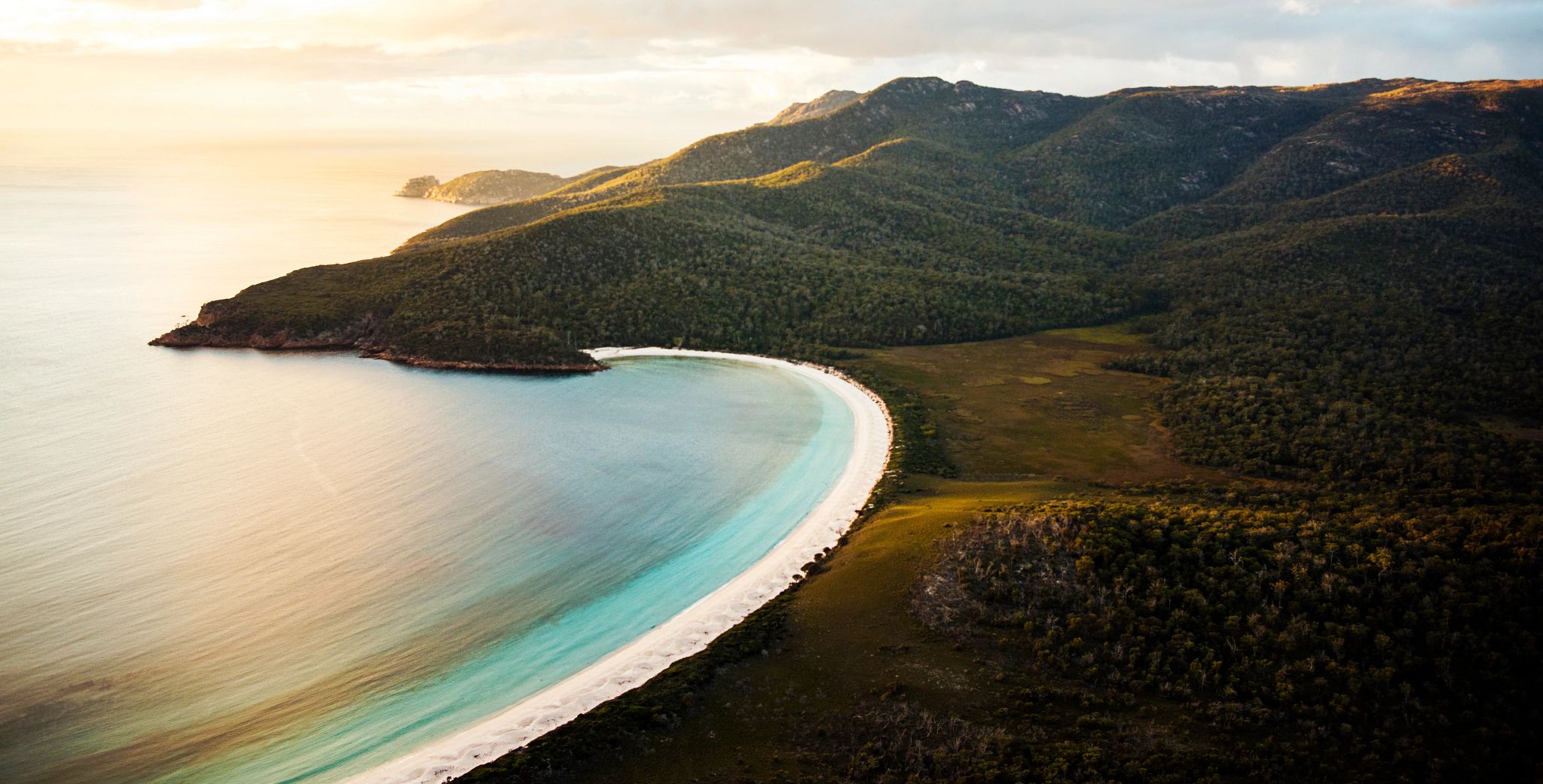 Image: Tourism Tasmania
Day 8: Freycinet
While the actual wine may be lacking, views of Wineglass Bay in Freycinet National Park certainly are not. If you would prefer to see the National Park at a more leisurely pace, board a cruise to see the park from the water. Spend day 8 of your Tasmania road trip exploring one of the must do attractions in Tasmania!\
Where To Stay
Freycinet National Park Campground - enjoy a second night in this nature lover’s paradise.
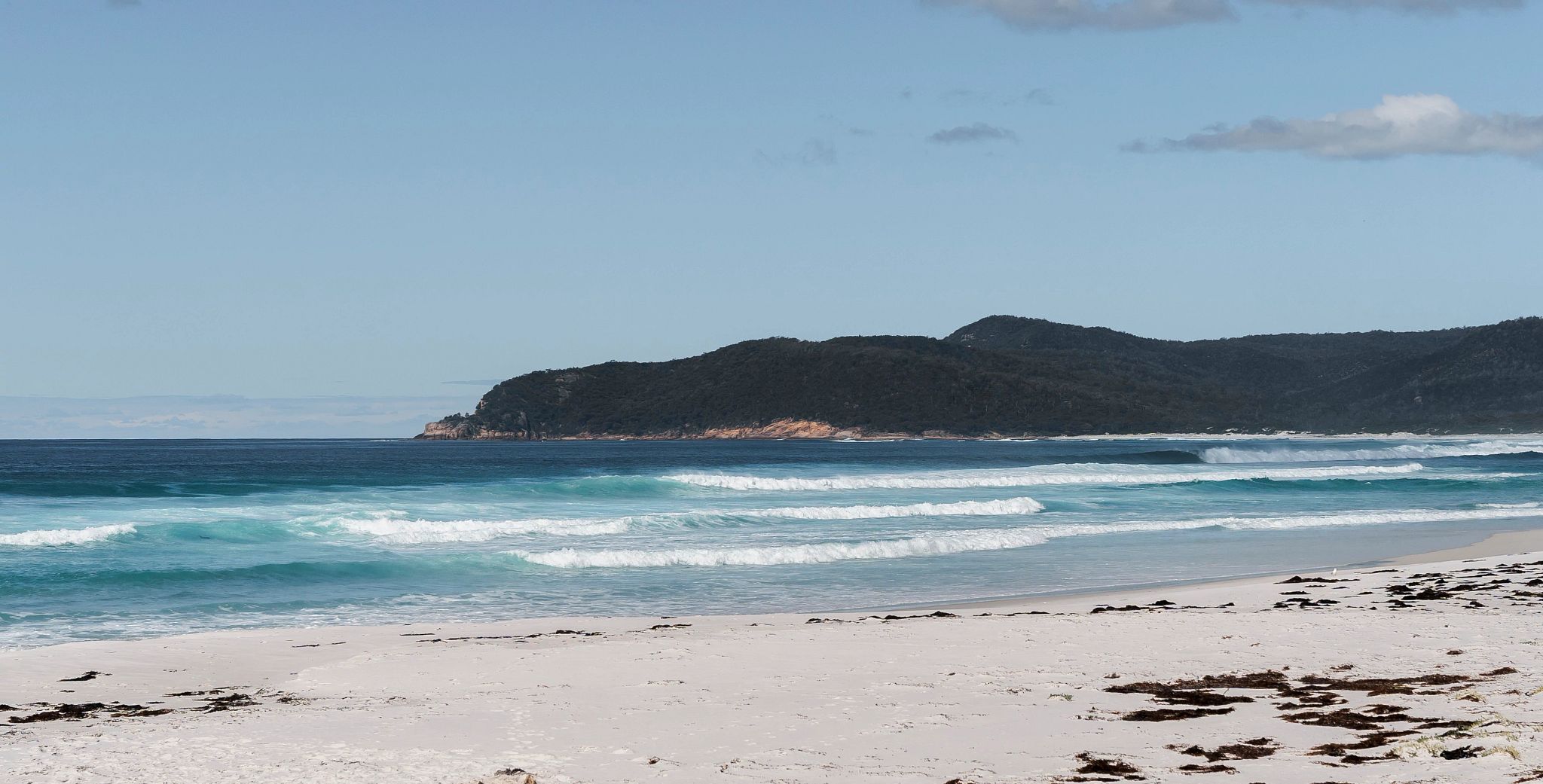 Image: Tourism Tasmania
Day 9: Freycinet to Port Arthur
Distance: 189 km
Travel Time: 2 hours 45 minutes
Discover Port Arthur, a town full of convict history and so much to see. And for those who want to extend your trip, the multi‑day Three Capes Track near Port Arthur is a must do hike in Tasmania.
Things To Do Along the Way
-
Kate’s Berry Farm - Just south of Freycinet, Kate’s Berry Farm is a sweet little stop overlooking Great Oyster Bay. It’s known for fresh berries, homemade jams, ice cream, and berry-themed desserts.
-
Tasman Arch & Devil’s Kitchen - Before reaching Port Arthur, take the short detour to see the dramatic coastal rock formations of the Tasman Peninsula. Tasman Arch and Devil’s Kitchen are stunning natural wonders shaped by the ocean, with walking tracks and lookout points that showcase the power of the Tasman Sea.
Where To Stay
NRMA Port Arthur Holiday Park - The NRMA Port Arthur Holiday Park is located at the heart of the Tasman Peninsula.
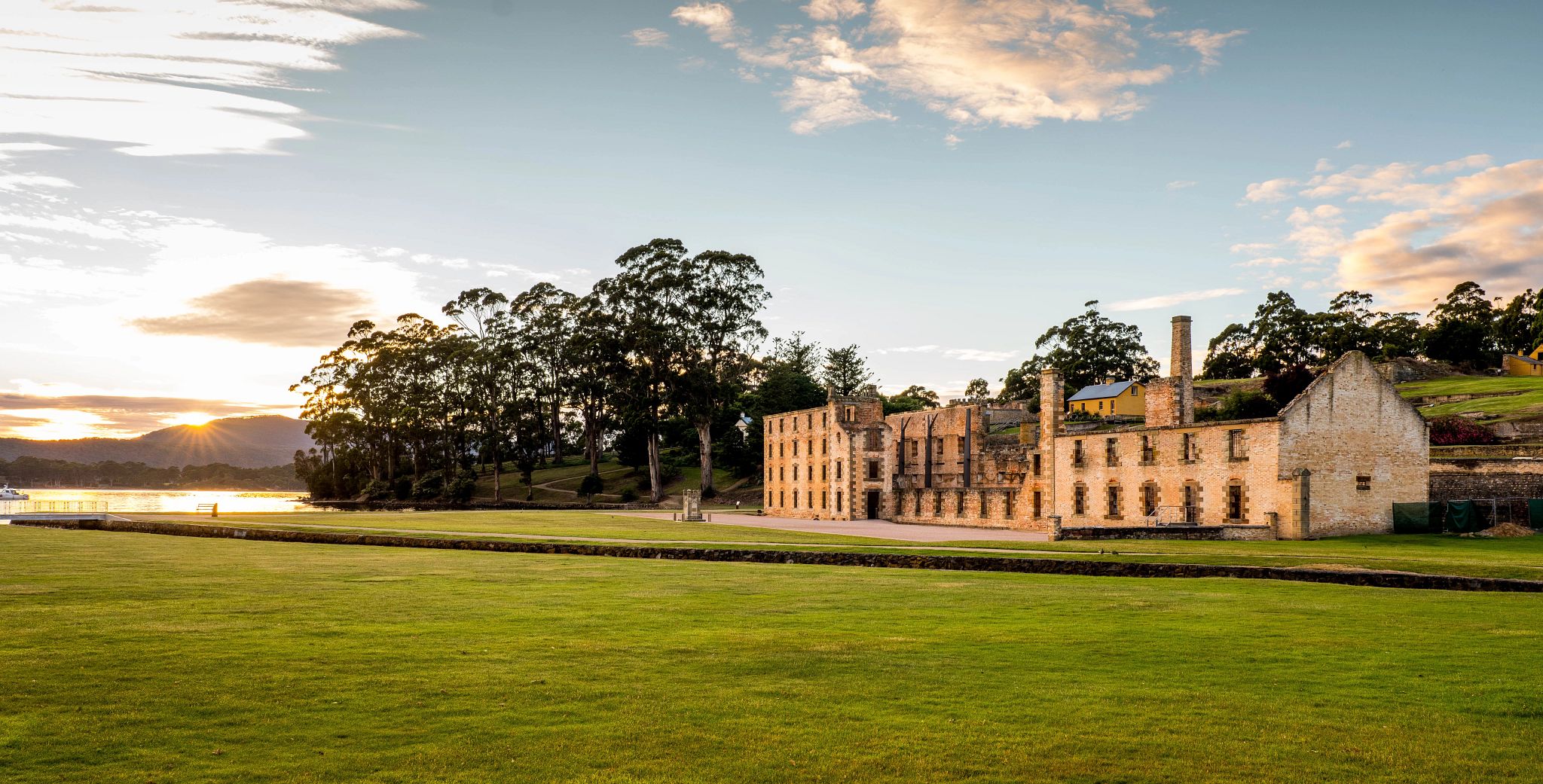 Image: Tourism Tasmania
Day 10: Port Arthur to Hobart
Distance: 100 km
Travel Time: 1 hour 30 minutes
Head back to Hobart, but not before stopping at Richmond. Only 25 minutes out of Hobart, no trip to Tasmania is complete without a photo op under the Richmond Bridge.
Things To Do Along the Way
-
Tasmanian Devil Unzoo - Just a short drive from Port Arthur, the Tasmanian Devil Unzoo offers a chance to see Tassie devils up close in a natural-style environment. You’ll also encounter native wildlife like kangaroos, quolls, and plenty of birdlife, while learning about conservation efforts to protect the endangered devils.
-
Eaglehawk Neck & Tessellated Pavement - At the narrow isthmus of Eaglehawk Neck, stop to explore the unique Tessellated Pavement—a rare natural rock formation where the stone looks like it’s been neatly tiled.
Where To Stay
Discovery Parks - Mornington Hobart - Ten minutes from Hobart and you’re nicely positioned to take advantage of all Hobart has to offer.
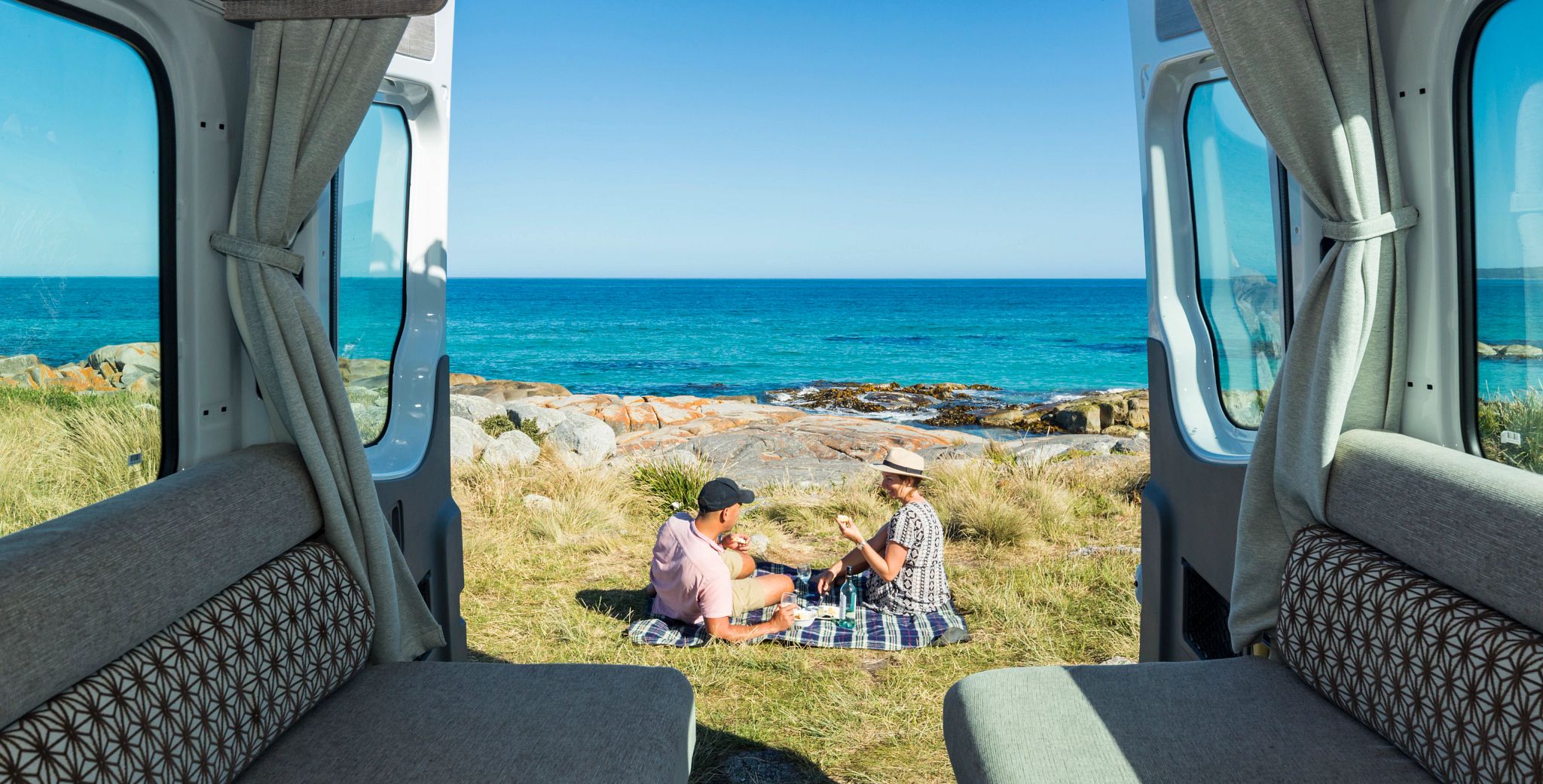 Image: Instagram - @andrewatsonphoto
Day 11: Hobart
Unfortunately, it's time to say farewell to your Apollo Campervan and start planning your next trip to Tasmania! Before you leave Hobart, enjoy one last cafe stop before dropping off your campervan at our Hobart branch.
Best Time to Visit Hobart and Tasmania
Hobart, Tasmania’s charming capital, can be enjoyed year-round, but the summer months (December to February) are especially popular. The weather is warm and pleasant, with average daytime temperatures around 20–24°C. Summer also brings major events like the Taste of Summer Festival and the finish of the Sydney to Hobart Yacht Race, adding to the city’s vibrant atmosphere. If you prefer fewer crowds, don’t like school holiday busyness and enjoy slightly cooler conditions, autumn (March to May) is a wonderful alternative, with crisp mornings, golden foliage, and excellent food and wine festivals.
More broadly, the best time to visit Tasmania depends on your interests. Summer offers the most reliable weather for hiking, beach trips, and road adventures, while spring (September to November) showcases wildflowers, wildlife activity, and lush green landscapes. Winter (June to August) brings snow to alpine areas like Cradle Mountain and is perfect for cosy getaways by a fireplace, truffle festivals, and fewer tourists. Autumn, meanwhile, is famous for its “Fagus turning”—when Tasmania’s only deciduous tree, the fagus, turns brilliant shades of gold and red, especially in national parks. Each season has its own appeal, making Tasmania a destination you can enjoy differently at any time of year.
Ready for your next campervan adventure?
Hire a campervan with Apollo and discover the natural attractions of Hobart and surrounding areas. Book in your dream holiday today.
| days | 11 |
| kms | 1,096 |
| stops | 6 |
| LabelField4 | 112+ |
| Field4 | wineries |