Overview
Explore Broome and the Dampier Peninsula on a 5-day campervan road trip, with stunning coastlines, Aboriginal culture, beaches and unforgettable Kimberley scenery.

Trip Details
Day 1: Broome to Beagle Bay
Distance: 120 kms
Travel time: ~2 hours
Your
Broome
road trip begins with an easy drive north into the Dampier Peninsula. This first leg is short enough to feel relaxed, which makes it ideal for settling into life on the road after picking up your campervan. As Broome gives way to wide skies and pindan country, the journey starts to feel distinctly Kimberley. With only around two hours of driving, you will have plenty of time to arrive, explore, and ease into the slower rhythm that makes this campervan itinerary so rewarding.
Where to stop between Broome and Beagle Bay
This is not a day that needs lots of planned stops. Instead, use the drive to enjoy the shift in scenery and stock up properly before leaving Broome. Pick up groceries, drinking water, fuel, and any supplies you may want for beach days and simple meals in the camper. Once you are on the road, the landscape itself becomes part of the experience, with red earth, scrubland and big open horizons setting the tone for the rest of your Dampier Peninsula itinerary.
Things to do in Beagle Bay
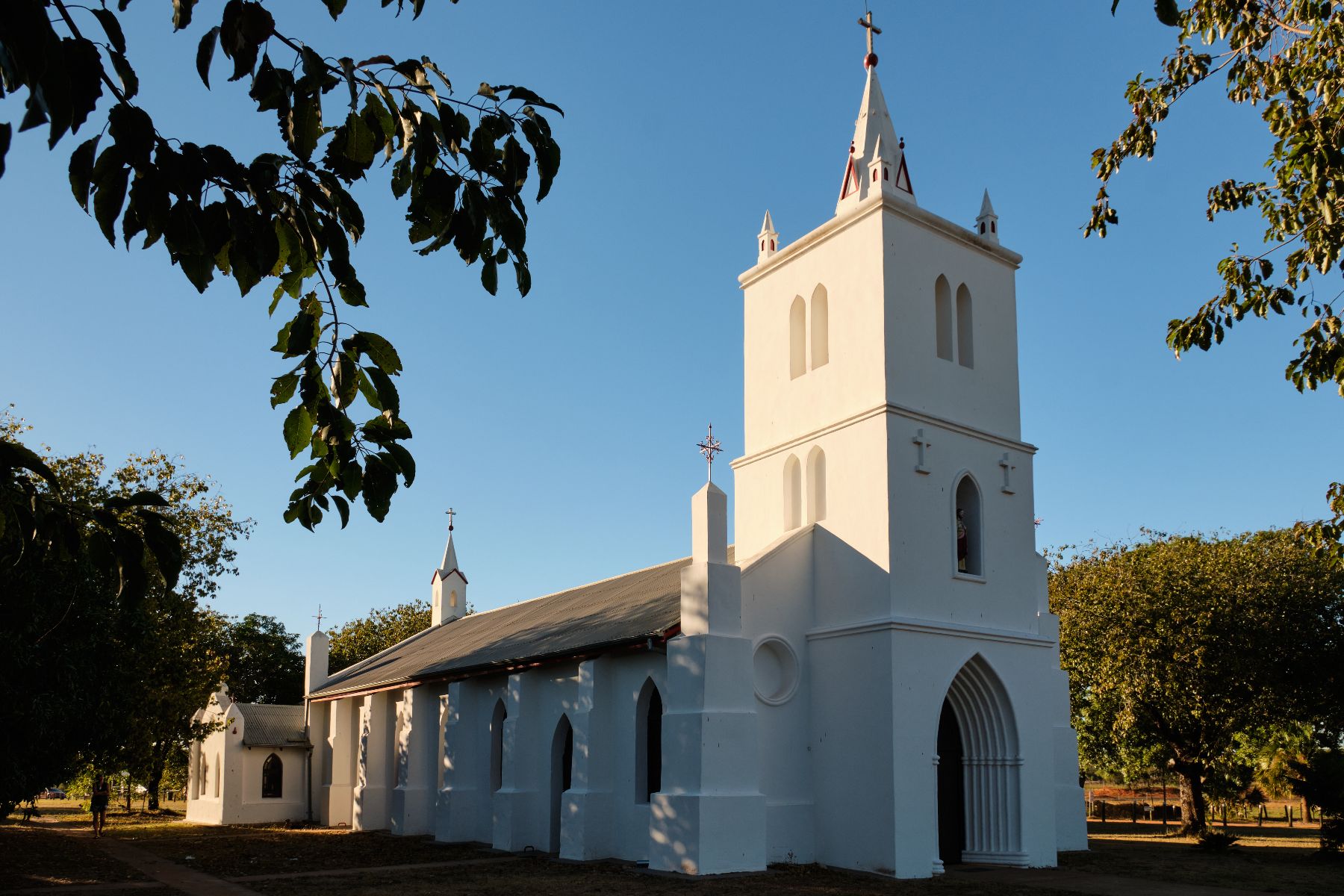
Beagle Bay is best known for the
Sacred Heart Church,
often called the Mother-of-Pearl Church, and it is one of the most memorable cultural stops on the peninsula. Completed in the 1910s, the church is renowned for its detailed shellwork and shimmering mother-of-pearl decoration. Step inside and take your time admiring the craftsmanship and the calm atmosphere. It is the kind of place that immediately gives more depth to the journey, connecting your road trip not just to the coastline, but to local history and community. After visiting the church, spend the rest of the afternoon enjoying the quiet surroundings, whether that means a gentle walk, a rest by the campervan, or simply taking in the peaceful pace of the area.
Where to stay in Beagle Bay
Stay overnight at a
local campground or community camping area
suitable for campervans if available at the time of travel. As availability and access can change, it is important to check current arrangements before your trip. If camping options in Beagle Bay are limited on your dates, treat this as a gentle exploration day and be ready to continue to a confirmed campervan site further north the following day. The key is to keep the day unhurried and let Beagle Bay set the tone for the rest of your Western Australia road trip.
Day 2: Beagle Bay to Lombadina and Ardyaloon
Distance: 80 kms
Travel time: ~1.5 hours
Today continues your
Dampier Peninsula
itinerary deeper into the peninsula, with a short drive that leaves plenty of time for coastal experiences. Travelling north from Beagle Bay, you move toward
Lombadina
and the wider Djarindjin and Ardyaloon area, where marine life, beaches and community-run experiences add a different layer to the journey. It is a great day to keep the pace slow and enjoy one of the best parts of a campervan road trip, having the freedom to settle in and stay a while rather than rush from stop to stop.
Where to stop between Beagle Bay and Lombadina and Ardyaloon
The drive itself is scenic and does not need too many interruptions, but it is worth allowing time for any community-run experiences or local points of interest you come across along the way. This stretch of the peninsula rewards a slower approach. Instead of treating it as a simple transfer, enjoy the sense of travelling further into a remote and distinctive corner of the Kimberley. Even short roadside pauses can be worthwhile, especially when the colours of the country and the changing coastal atmosphere start to become more pronounced.
Things to do in Lombadina and Ardyaloon
This area is all about the water, and that is what makes it such a standout stop on a Broome itinerary like this one. Depending on what is operating during your visit, you may be able to join locally run fishing trips, marine wildlife tours or seasonal
whale watching
experiences. The beaches and shoreline are also a big draw in their own right, with time to swim when conditions are safe, wander the coast, or simply sit and watch the shifting light over the water. Travellers who enjoy quieter experiences will appreciate that this part of the trip is not only about activities, but about atmosphere. It is a place to slow down, look out for turtles or dolphins, and soak up the feeling of being far from the busy pace of town.
Where to stay in Lombadina and Ardyaloon
Djarindjin Campground
is one of the most practical places to stay on this section of the route and works especially well for a 2WD campervan itinerary. It offers powered and unpowered sites, along with useful facilities such as toilets, hot showers, laundry and a camp kitchen. Staying here gives you a comfortable base to explore the surrounding area without needing to move camp too often, which is ideal for couples looking for a more relaxed road trip.
Day 3: Lombadina and Ardyaloon to Cape Leveque
Distance: 30 kms
Travel time: ~1 hour
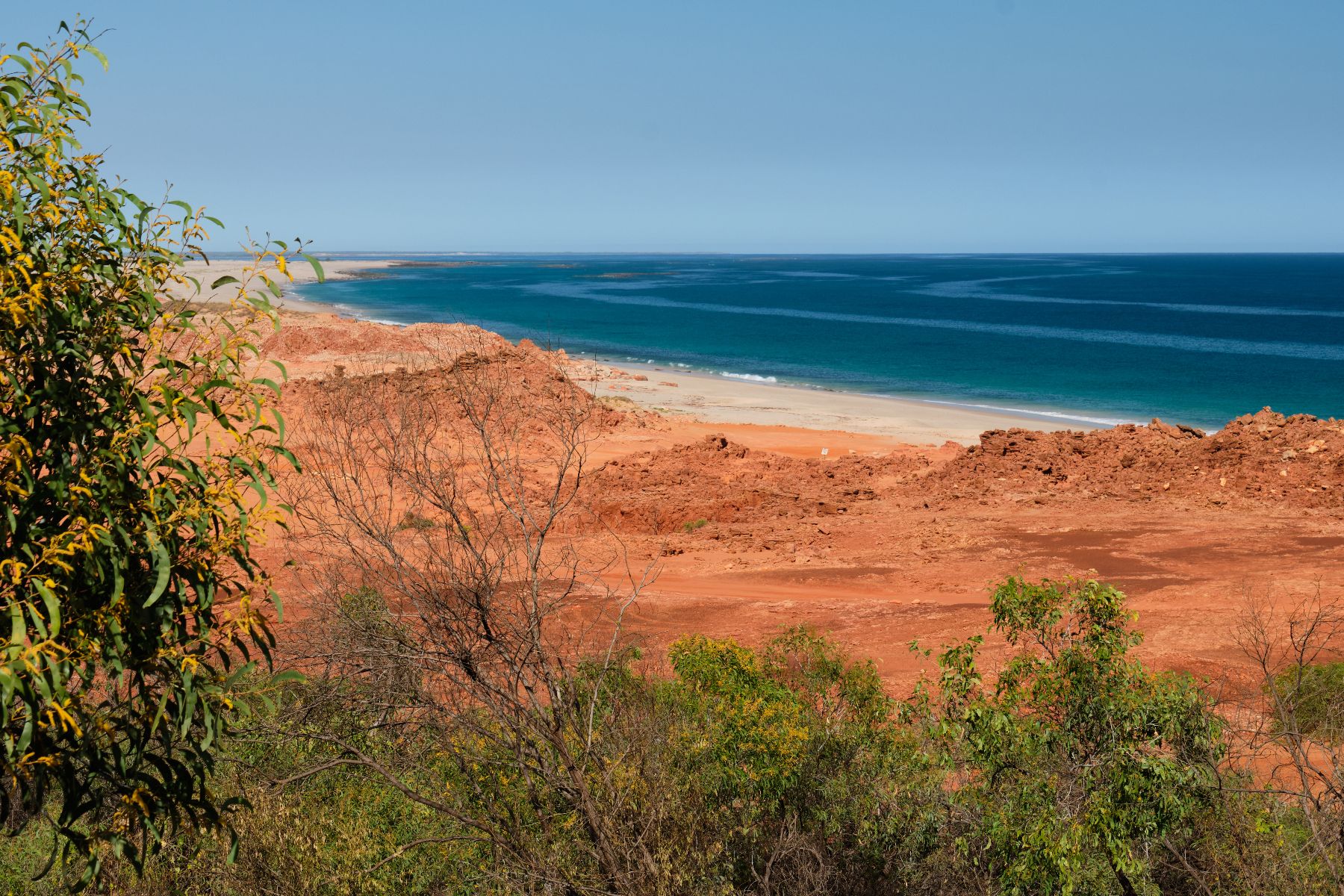
Today is short on driving and big on scenery. The drive to
Cape Leveque
is brief, which leaves most of the day free to enjoy one of the most iconic coastal areas in the Kimberley. This part of the
Western Australia
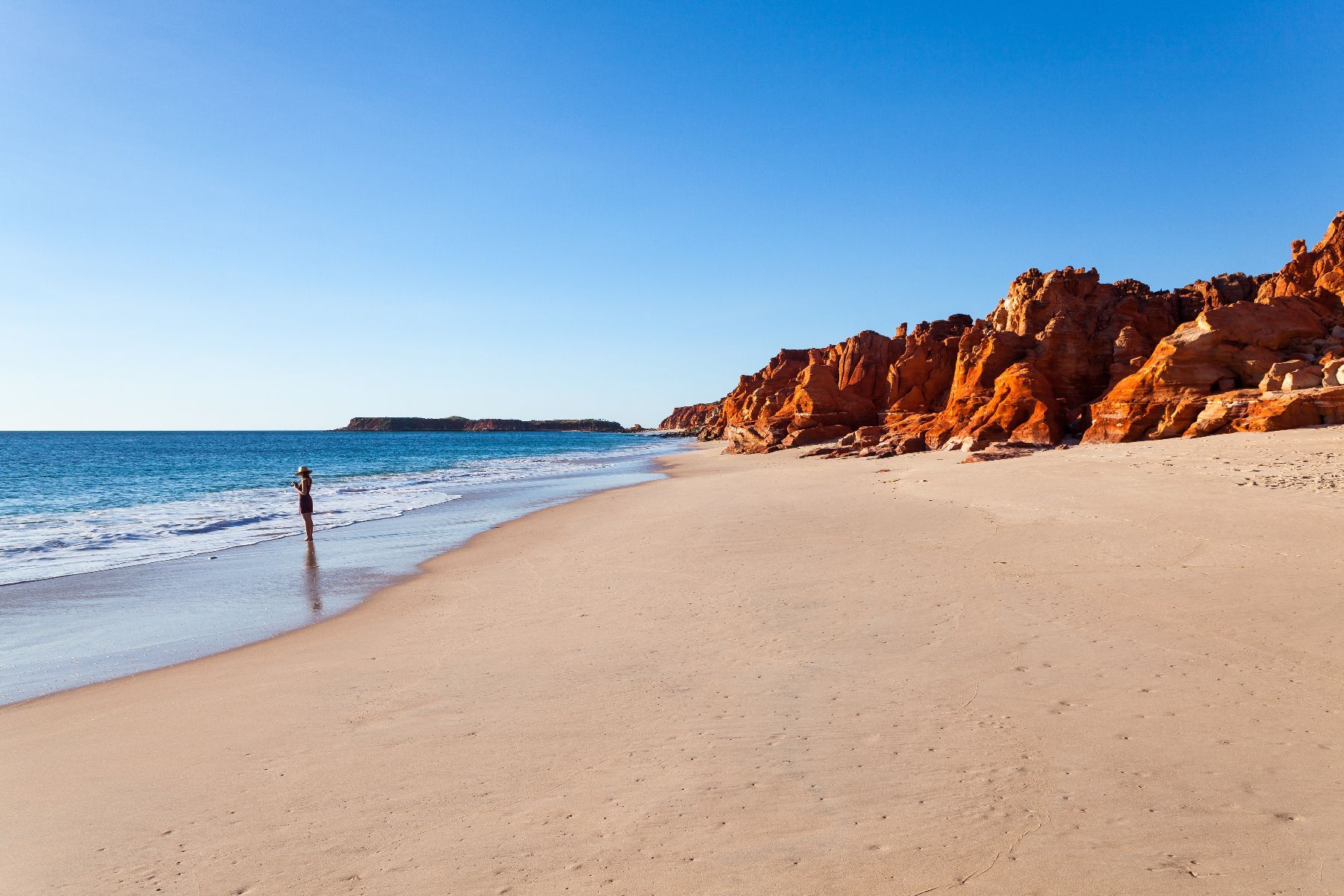
road trip is where the colours really come into their own, with red cliffs, pale sand and blue water combining to create one of the most memorable settings on the entire route.
Where to stop between Lombadina and Ardyaloon and Cape Leveque
Because the drive is so short, this is a day to stay flexible. Stop where the scenery opens up, take a few photos, and make the most of any safe coastal access points or lookouts along the way. There is no need to rush to your destination. The beauty of this section is how easy it is to let the road trip unfold at a gentle pace, with the coastline revealing itself bit by bit as you head north.
Things to do in Cape Leveque
Cape Leveque is made for simple outdoor pleasures. Spend the day on the beach, swim when conditions are safe, and enjoy the striking contrast between the pindan cliffs and the ocean. If the water is calm, bring your snorkelling gear for a look beneath the surface. Fishing is another popular way to pass the time, and the whole area has a wonderfully remote feel without asking too much of you in terms of driving. This is also one of the best places on the trip to slow down and simply appreciate the landscape. As the day goes on, the changing light adds even more drama to the coast, so make time to stay for sunset if you can.
Where to stay in Cape Leveque
For this overnight stop, choose a campervan-friendly camping option at or near Cape Leveque that is operating at the time of your visit, and confirm suitability for your vehicle before you travel. Staying close to the coast lets you enjoy the atmosphere of the area after day visitors have gone and makes the experience feel more immersive. If coastal camping near the cape is unavailable, returning to your site at
Djarindjin Campground
is the most practical fallback and still works well within this Broome road trip.
Day 4: Cape Leveque
Distance: 30 kms
Travel time: ~1 hour
A full day around Cape Leveque gives this campervan itinerary its slow-travel charm. Rather than immediately heading back south, use today to enjoy the northern end of the peninsula properly. Even if you only cover a small distance on local day-tripping activities, the reward is more time for beaches, views and unhurried moments that make a short trip feel much richer.
Where to stop around Cape Leveque
Use today to revisit your favourite beach access points, scenic lookouts or quiet stretches of coast nearby. If you want to add extra adventure to your Dampier Peninsula itinerary, this is also a good day to consider a 4WD-only side trip with a tour or separate vehicle arrangement to places such as
Middle Lagoon
or Pender Bay. These are not part of the core 2WD campervan route, but they can be excellent optional extras when conditions and availability line up.
Things to do in Cape Leveque
Today is about making the most of the coast. Enjoy another swim if the conditions are calm, spend time beachcombing, relax with a picnic, or simply sit and watch the colours change through the day. Depending on the season, local options for fishing and
whale watching
may also be available, which can add another memorable layer to your time here. The appeal of Cape Leveque lies in its mix of beauty and simplicity. You do not need a packed schedule for it to leave a strong impression.
Where to stay in Cape Leveque
Spend a second night at your chosen campervan-friendly campsite at or near Cape Leveque if available. Staying put means you can enjoy the area without packing up too quickly and gives the whole road trip a more relaxed feel. If overnight options near the cape are limited, return to Djarindjin Campground for a reliable and comfortable base with practical facilities.
Day 5: Cape Leveque to Broome
Distance: 180 kms
Travel time: ~3 hours
Your final day is the longest drive of the trip, but it still sits comfortably within a manageable travel day. After a slow breakfast and one last look at the coast, begin the return to Broome. Because the previous days have kept driving to a minimum, this final leg feels straightforward rather than tiring. It is a satisfying way to wrap up a compact but memorable Broome itinerary.
Where to stop between Cape Leveque and Broome
On the way south, you can break up the drive with another stop at Beagle Bay if you would like to revisit the church or simply stretch your legs. Otherwise, enjoy a few scenic pauses where safe to do so and let the changing landscape mark your return from the coast to Broome. Before leaving the northern peninsula, top up fuel and essentials where available so the run back is easy and stress free.
Things to do in Broome
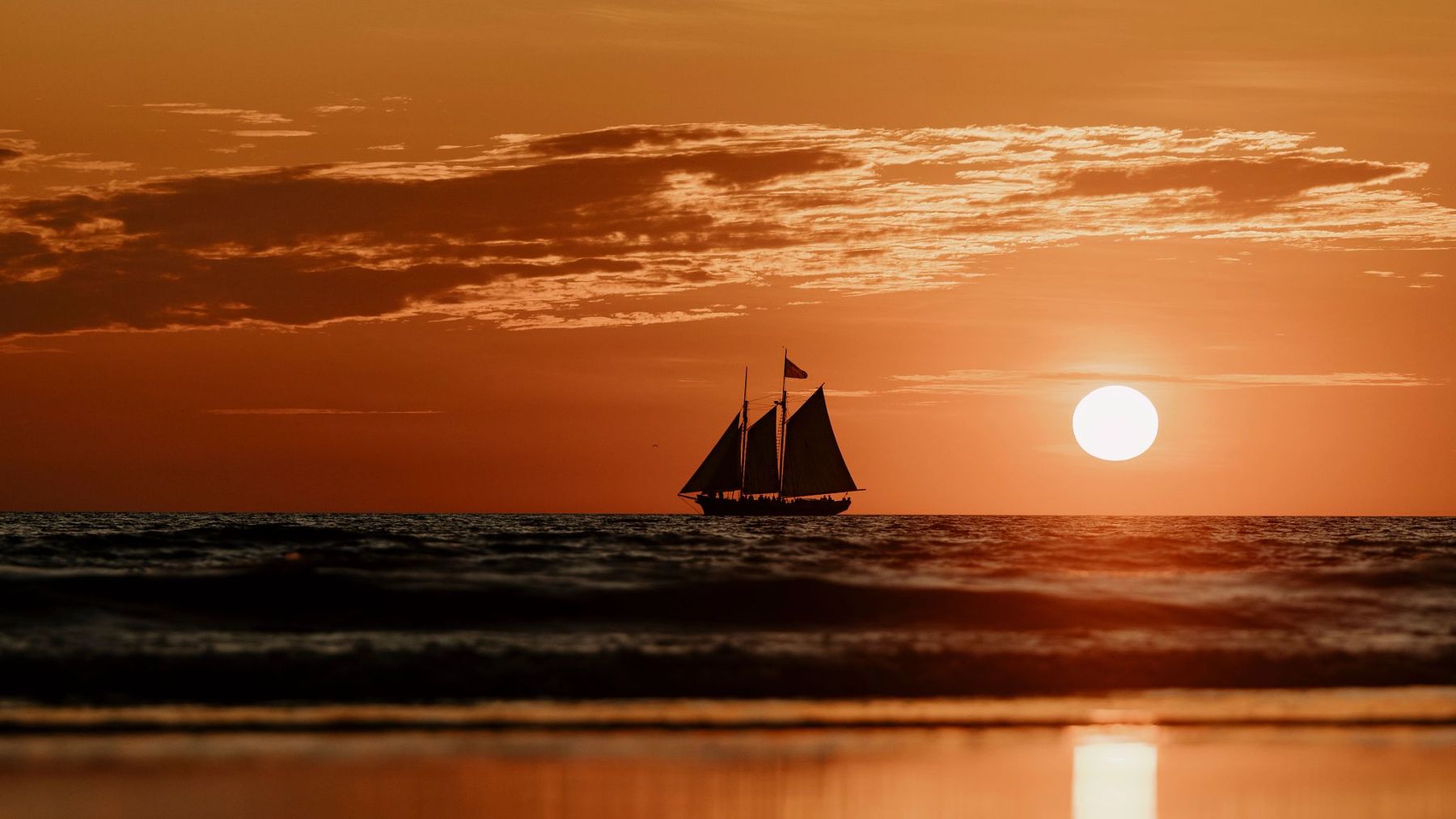
If you have time before returning your campervan, finish your Western Australia road trip with one of Broome’s classic experiences. A sunset on Cable Beach is a fitting end to the journey and a lovely contrast to the quieter beaches you have explored over the previous few days. It brings the trip full circle and gives you one last chance to soak up the Kimberley coast before heading home.
Where to stay in Broome
If you are not dropping off your Apollo campervan the same day, book a
Broome holiday park
or caravan park with campervan sites for an easy final night. That way you can enjoy one more relaxed evening and return the vehicle the following morning without rushing. If your schedule allows, a same-day return to the
Apollo’s Broome branch
also works well.
FAQs and quick answers
Can you do this Dampier Peninsula itinerary in a 2WD campervan?
Yes. The core route is designed to work for a 2WD Apollo campervan on the sealed main road from Broome to Cape Leveque, but it is still wise to check local access and camping conditions before you go.
How many kilometres is this Broome road trip?
The total is about 440 kilometres return. That makes it a compact campervan itinerary that still leaves plenty of time to explore.
What is the best time of year to visit Cape Leveque and the Dampier Peninsula? The dry season from May to October is generally the most reliable for road conditions and sunny weather. June to September is a particularly good time for whale watching.
Is the wet season a bad time to travel?
Not always, but conditions can change quickly and access may be limited. Apollo’s Broome branch is closed from 1 December to 31 March, so that period is not suitable for pick-up or drop-off there – but travelling from interstate is still possible.
Are there good camping options for campervans on this route?
Yes. Djarindjin Campground is a practical and well-equipped base, and there may also be campervan-friendly camping options at or near Cape Leveque depending on current operations and availability.
Can you go whale watching, fishing and swimming on this trip?
Yes. This road trip is well suited to outdoor experiences, with local options for fishing and whale watching, plus beaches for swimming when conditions are safe.
Are there any 4WD add-on options?
Yes. Places such as Middle Lagoon and Pender Bay can be added as optional side trips if conditions allow, but they should be treated as extras rather than part of the core 2WD route.
This Broome to Dampier Peninsula itinerary proves you do not need huge distances to enjoy an unforgettable campervan escape. With cultural history in Beagle Bay, laid-back coastal days further north, and the standout scenery of Cape Leveque, it is a compact Western Australia road trip that delivers plenty of variety without long hours behind the wheel. When you’re ready, you can easily
Apollo camper online
and pick it up from your closest Apollo branch before hitting the road.
