If you are planning an Australian road trip, one of the biggest decisions is whether to choose a campervan or hotel stays along the way. At first glance, it can look like a simple comparison between campervan hire and hotel rooms. In reality, campervan vs hotel is really about comparing the full holiday experience.
A campervan combines transport, accommodation and cooking facilities in one setup. A rental car plus a hotel stay separates those parts of the trip into different bookings, routines and costs. Neither option is automatically better for every traveller, but each creates a very different style of holiday. The right choice depends on your route, group size, comfort preferences, budget, and how much flexibility you want on the road.
If you are weighing up campervan rental vs hotel travel in Australia, here is what to look at before you book.
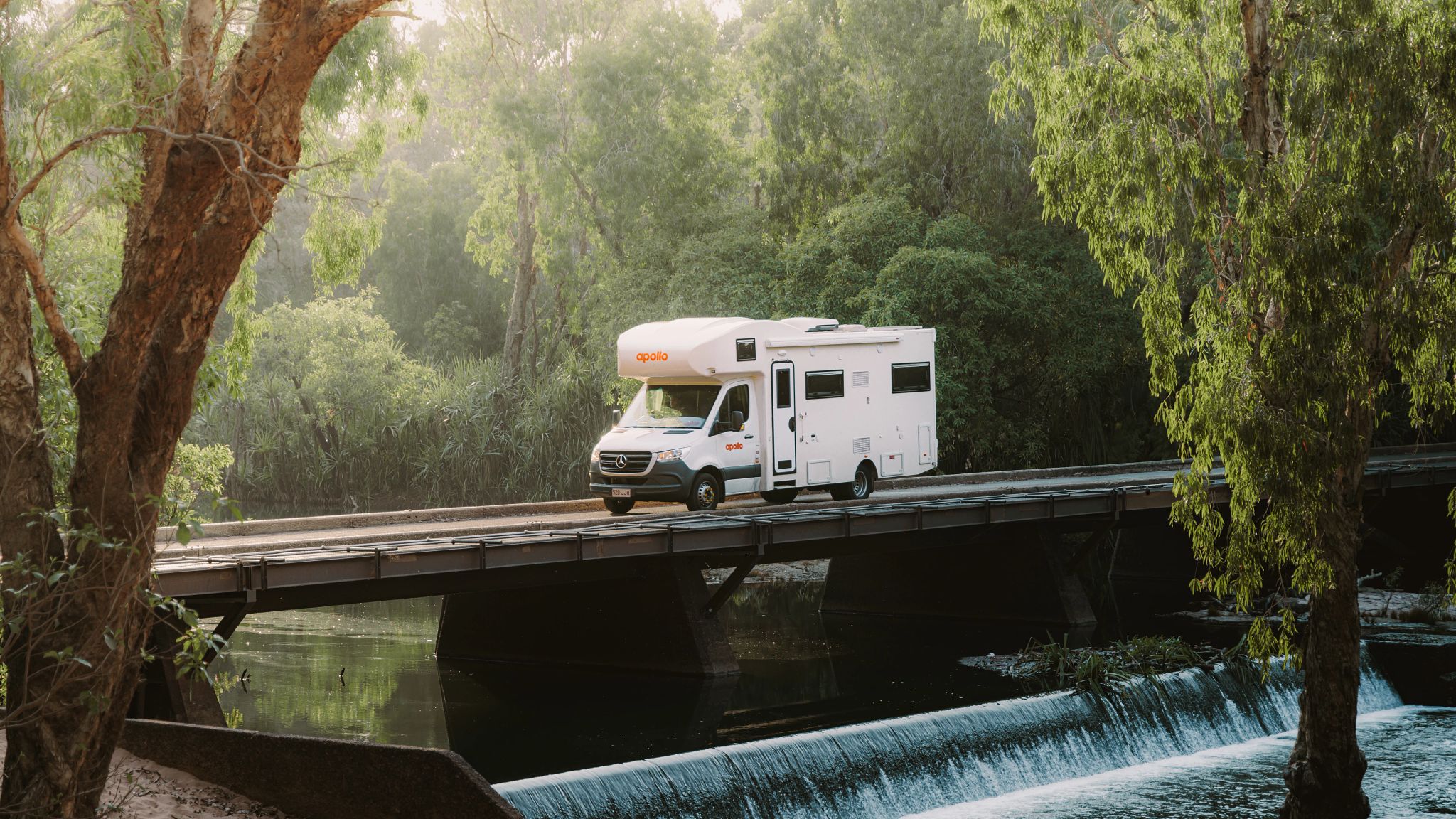
030.jpg "Apollo-EuroDeluxe_AU-Eagle-Bay,-WA-(9)030.jpg")
At a glance: campervan or hotel?
The biggest difference between a campervan or hotel holiday is how the trip is structured. With a campervan, your transport and accommodation travel with you. With a rental car and a road trip hotel plan, your transport is separate from where you sleep, eat and store your belongings.
Staying in a campervan can include beds, a fridge, kitchen equipment, storage, a dining area and, in selected vehicles, a shower and toilet. Hotel rooms give you a fixed private space, while a standard rental car is usually easier to park and drive in busy areas than a campervan.
In simple terms, a hotel stay usually offers a more familiar room-based experience, while a campervan experience offers an all-in-one travel base built around movement, flexibility and convenience.
| Consideration | Campervan | Car + Hotel |
|---|---|---|
| Transport | Your transport and accommodation travel with you throughout the trip. | A rental car and accommodation are booked separately. |
| Accommodation | Your accommodation travels with you, so there's no need to check in and out at every destination. | Stay in a hotel, motel or other accommodation at each destination. |
| Cooking & Meals | Kitchen facilities allow you to prepare meals on the road, while still choosing cafés and restaurants when you want to. | Usually greater reliance on cafés, restaurants and takeaway unless your accommodation includes cooking facilities. |
| Flexibility | Greater freedom to shape your road trip around where you want to go and how long you want to stay. | Your itinerary may be more closely tied to pre-booked accommodation and check-in/check-out times. |
| Luggage | Unpack once and keep your belongings with you throughout the road trip. | Luggage generally needs to be moved between the car and accommodation at each stop. |
| Amenities | Depending on the campervan, you can have beds, kitchen facilities, dining/living areas, storage, and an onboard shower and toilet. | Hotel amenities vary by property but may include a private bathroom, housekeeping, room service and other services. |
| Planning | Transport and accommodation are combined in one booking, but you'll need to plan where you can legally stay overnight. | Requires coordinating your rental car and accommodation, but once checked in there is generally less setup involved. |
Cost and overall value: compare the whole trip
When travellers compare campervan vs hotel, one of the most common mistakes is looking at just one part of the cost. A campervan hire rate is not the full picture, just as a hotel room rate is not the full picture either. To compare fairly, you need to look at the entire trip.
| Cost to Consider | Campervan Holiday | Car + Hotel Holiday |
|---|---|---|
| Transport | Campervan hire | Rental car hire |
| Accommodation | Campground or holiday park fees | Hotel accommodation |
| Fuel | Fuel for your campervan | Fuel for your rental car |
| Food & Meals | Groceries and meals, with the option to cook using your campervan facilities. | Restaurant and café meals, plus groceries if cooking facilities are available. |
| Parking | Parking fees where applicable. | Parking fees where applicable. |
| Insurance | Your chosen campervan insurance/liability reduction option. | Your chosen rental car insurance option. |
| Trip-Specific Costs | Optional extras and charges, such as one-way fees where applicable. | Optional extras and other travel-related costs. |
This is where overall value matters more than comparing one price in isolation. A campervan brings together transport and accommodation in one booking, and many travellers also value having cooking facilities, storage and their belongings with them throughout the trip. That does not mean a campervan will always be cheaper, but it does mean you are comparing a bundled travel setup with a more separated travel style.
Food is another major part of the comparison. Staying in a campervan can make it easier to prepare breakfast, pack lunch or cook simple dinners, which may reduce how often you rely on cafés, restaurants or takeaway. A hotel stay may suit travellers who prefer to eat out and not think about groceries, but those meal costs still form part of the overall holiday spend.
Trip length matters too. A short city break may suit a rental car and hotel rooms, especially if you want easier parking and fixed accommodation. A longer regional journey may make the all-in-one nature of campervan hire feel more valuable, especially if you want to move through multiple destinations without repeated check-ins and luggage reshuffling.
Comfort and amenities: is staying in a campervan comfortable?
One of the most common assumptions about campervan accommodation is that it means sacrificing comfort. In practice, comfort depends a lot on the vehicle you choose. A modern campervan is not just somewhere to sleep. For many travellers, it works as a compact home away from home.
Depending on the Apollo vehicle, you can have comfortable sleeping areas, kitchen facilities, a fridge, a dining or living space and practical storage for clothes, groceries and travel gear. Selected Apollo vehicles also include a shower and toilet, which can be a big plus for travellers who want more self-contained comfort. Apollo also supplies bedding, linen, kitchen and cooking gear, plus general living equipment.
Apollo’s Australian range includes options such as the Euro Tourer, Euro Quest and Euro Deluxe, giving travellers different layouts to match their group size and travel style. Comfort varies by model, so it is worth comparing vehicle layouts carefully, especially if bathroom access, interior space or onboard living features matter to you.
Comfort is also shaped by where you stay overnight. Holiday parks and caravan parks can add powered sites, communal bathrooms, laundries and shared cooking areas. National park campgrounds may feel more scenic and close to nature, but they often have fewer services. By comparison, a hotel stay usually offers a ready-made room setup with a more traditional bed-and-bathroom arrangement.
So, is staying in a campervan comfortable? For many travellers, yes. It is different from a hotel stay, but it is not automatically roughing it. It is simply a different kind of comfort built around mobility, convenience and having your essentials with you.
Sleeping arrangements and group size
For families and groups, one of the most practical questions is whether everyone can sleep comfortably in the same vehicle. In many cases, yes, but it depends on the vehicle layout. Apollo offers vehicles for 2 – 6 people - with the capacity being referred to as berth. Apollo has 2 berth vehicles with one double sized bed, right up to 6 berth vehicles with 3 double beds.
Bed capacity is only part of the story. Travellers should also check travel seats, seatbelts, storage space, child restraint compatibility and how the living area will feel when everyone is inside. A campervan can be very convenient for keeping the group together, while hotel rooms may offer more predictable personal space if that is your priority.
Cooking, food and daily routines
Food is one of the clearest differences between a campervan experience and a hotel stay. In a campervan, your kitchen travels with you. This gives you more control over where and when you eat, which can be especially useful on long drives or in regional areas.
That flexibility comes with some responsibility. You need to shop, manage fridge and cupboard space, prepare meals and clean up afterwards. If you are planning to pack for a campervan trip, soft bags are usually more practical than hard suitcases because they fit storage compartments more easily.
By comparison, a hotel-based holiday often makes meals feel simpler. You can rely on cafés, hotel breakfasts, restaurant dinners or takeaway without thinking about onboard cooking or food storage. Neither option is better for everyone. It depends on whether you prefer the freedom of cooking for yourself or the ease of eating out, and what your budget for meals is during your holiday.
Flexibility and freedom on the road
If there is one area where campervan vs hotel feels most different, it is flexibility. When you book hotels, your itinerary is generally shaped around where you are staying each night. That often means working to check-in times, moving luggage regularly and following a more fixed rhythm from one destination to the next.
A campervan changes that pattern. Your accommodation comes with you, so you can unpack once and carry your belongings throughout the trip. It can be easier to travel at your own pace, spend longer somewhere you love or wake up somewhere different as you move through Australia. For many travellers, this is one of the biggest reasons to choose a campervan experience over a road trip hotel plan.
That freedom still has limits. You need to follow local camping rules, use appropriate overnight stops and book campsites where required. A campervan offers more flexibility, but it still works best with realistic planning.
.jpg "Apollo-EuroDeluxe_AU-Katherine,-NT048-(6).jpg")
Convenience and effort: which style is easier?
A balanced comparison should acknowledge that both travel styles require effort, just in different ways. With a campervan, there can be a learning curve. First-time travellers need to get used to the vehicle size and understand how onboard facilities work, as well as planning overnight stops properly.
The upside is that once you settle into the routine, many parts of the trip become simpler. There is no repeated hotel check-in and check-out, no daily luggage transfers and no need to coordinate separate transport and accommodation bookings at every stop. Apollo offers a pick-up vehicle handover and helpful guidance to help beginners get started.
A rental car and hotel holiday can feel easier because the driving is often more familiar and your room is ready when you arrive. But it still involves managing multiple bookings, moving bags, finding parking and organising meals separately. In other words, a hotel stay may reduce vehicle-related tasks, while a campervan may reduce the overall travel juggling.
Where can you stay overnight in a campervan in Australia?
Australia offers plenty of overnight options for campervan travellers, but they are not all the same. Depending on your route, you may stay in caravan parks, holiday parks, designated national park campgrounds or approved overnight areas where local rules allow it. Caravan parks often provide powered sites, communal bathrooms, laundry facilities and cooking areas, which can add convenience to a campervan holiday.
National park campgrounds can offer a more nature-focused experience, but facilities are often more limited and bookings may be required. In some areas, approved overnight parking is available for suitable vehicles, though rules vary by location.
The key point is that overnight planning matters. Before arriving anywhere, check the relevant state, territory, council, national park or campground rules to confirm what is permitted for your vehicle.
Can you sleep on the side of the road in a campervan?
Not as a general rule. In Australia, parking, resting and camping are not always treated the same way, and local rules vary. A place where you can legally stop a vehicle does not automatically allow overnight sleeping or camping activity.
The safest approach is to use designated campgrounds, caravan parks or approved overnight areas. This is not only about avoiding fines. It is also about safety, especially on long drives where fatigue, wildlife and isolated conditions can become serious issues.
Which option is right for you?
A hotel plus rental car holiday may suit you best if you want fixed accommodation, traditional private space and hotel services. It can also be a strong fit for short trips, city-focused itineraries or travellers who prefer not to cook and do not want to manage campground routines.
A campervan may be the better choice if you want flexibility, like the idea of having your accommodation with you and value the convenience of combining transport, sleeping and cooking facilities. It can be especially appealing for travellers who want to stay closer to nature, reduce packing and unpacking, and make the journey itself part of the holiday.
Ultimately, campervan rental vs hotel is not about proving one option is always cheaper or better. It is about deciding which travel style gives you the best overall value, comfort and convenience for the kind of Australian trip you actually want to have.
.jpg "Apollo_EuroMini_AU_Tasmania_Bridestowe-Lavender-Farm-064P1151488-(5).jpg")
FAQs and quick answers
Is a campervan cheaper than staying in hotels?
It depends on the trip. Overall value can change based on trip length, vehicle choice, accommodation style, meals, fuel, parking and itinerary, so it is best to compare the complete holiday rather than one cost on its own. The beauty of a campervan trip is that you combine the costs of accommodation and transport into one.
Is staying in a campervan comfortable?
Yes, it can be, especially if you choose the right vehicle. Many Apollo vehicles include sleeping areas, kitchen facilities, a fridge, storage and living space, while selected models also include a shower and toilet.
Can four people sleep in a campervan?
Yes. Apollo offers 4-berth vehicles such as the Euro Quest, Euro Camper and Overland Camper 4WD, but it is always worth checking the layout, seating and storage before booking.
Where can you stay overnight in a campervan in Australia?
Common options include caravan parks, holiday parks, designated national park campgrounds and approved overnight areas where local rules permit. Always check booking requirements and site rules in advance.
Can you sleep on the side of the road in a campervan?
Usually not. Rules vary by location, so it is safest to use designated campgrounds or approved overnight stops rather than assume roadside parking allows overnight stays.
Is campervan travel difficult for beginners?
There is a short learning curve, especially with vehicle size and onboard systems, but many first-time travellers settle into it quickly. Apollo provides a vehicle handover and helpful guidance to help you start with confidence.
If a flexible, all-in-one road trip sounds like the right fit, explore Apollo campervan and motorhome hire, compare Apollo vehicle options, and browse Australian road trip itineraries plus helpful campervan planning and beginner guides to start planning your adventure. When you’re ready, you can easily book your Apollo camper online and pick it up from your closest Apollo branch before hitting the road.
