Overview
Explore Tasmania on a 10-day campervan road trip from Hobart, with Freycinet, Bay of Fires, Cradle Mountain, Strahan, ancient rainforests and spectacular coastal scenery.


Trip Details
Day 1: Hobart to Freycinet National Park
Distance: 195 kms
Travel time: ~3 hours
Pick up your Apollo camper in
Hobart
and set your sights on Tasmania’s luminous east coast. Today is all about cruising towards
Freycinet National Park,
where sea eagles patrol sapphire bays and granite peaks glow pink in the late light.
Where to stop between Hobart and Freycinet National Park
Pause at the historic village of Richmond for coffee, a look at its 19th century bridge and a short riverside stroll. Farther north, Orford makes a handy break to stretch your legs on Prosser River’s foreshore before you amble up the coast through Swansea with postcard views over Great Oyster Bay to the Hazards.
Things to do in Freycinet National Park
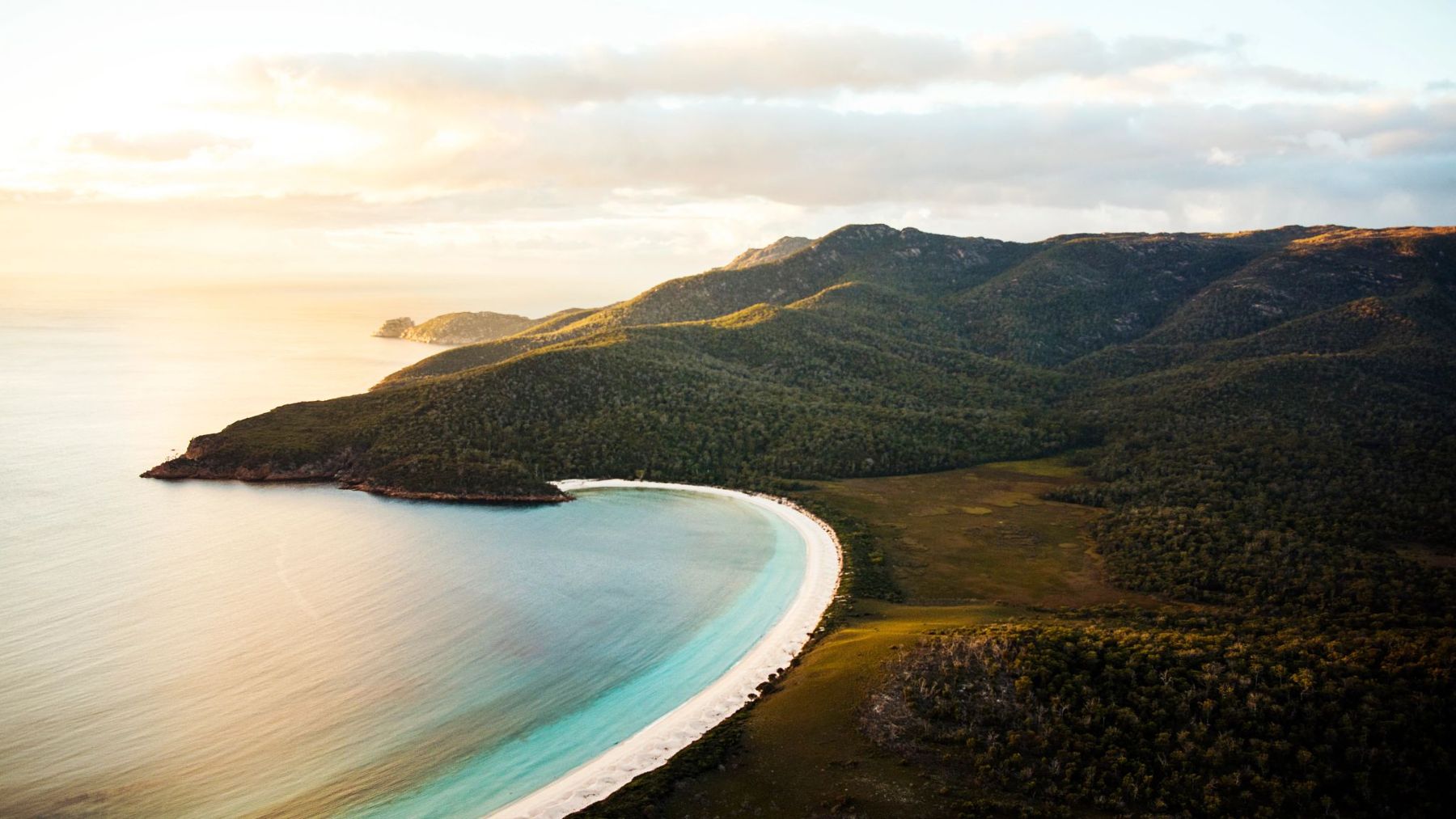
Walk to the
Wineglass Bay lookout
for one of Tasmania’s most celebrated vistas, or extend the adventure with the Wineglass Bay and Hazards Beach Circuit to escape to quiet sands and spot shorebirds.
Cape Tourville
’s clifftop boardwalk is perfect for sunset and whale spotting in season, while
Friendly Beaches
offers wild, wind-burnished beauty, ideal for beachcombing, birdwatching and a picnic. Keen anglers can try surf casting from the beach where permitted and in line with local regulations.
Where to stay in Freycinet National Park
Freycinet National Park Campground at Richardsons Beach offers powered sites for campervans set back from the dunes, while some dune-side sites are tent only. Alternatively, set up at BIG4 Iluka on Freycinet in Coles Bay for convenient facilities and an easy walk to the water.
Day 2: Freycinet National Park to Bay of Fires
Distance: 125 kms
Travel time: ~2 hours
Roll north along the coast to the
Bay of Fires,
where orange-lichened boulders meet powder-white sand and clear, turquoise seas. With a shorter drive, you will have ample time to wander and settle in by the beach.
Where to stop between Freycinet National Park and Bay of Fires
Drop into
Bicheno
to walk the foreshore and peer into blowholes when the swell is up. Continue via Scamander and St Helens, perhaps grabbing picnic supplies for an alfresco lunch beside Georges Bay, known for fishing and calm-water birdlife.
Things to do in Bay of Fires
Base yourself around Binalong Bay and The Gardens to explore a string of coves. Stroll along
Swimcart Beach
at golden hour, photograph the signature orange rocks, and keep watch for dolphins and seasonal whale migrations from the headlands. Birdwatchers should scan for oystercatchers and hooded plovers on the tideline, while snorkellers will love the sheltered granite pools on calm days.
Where to stay in Bay of Fires
Choose from beachside conservation-area camps like Cosy Corner North or Swimcart Beach for free, simple sites with million-dollar views. Access is sealed to The Gardens Road, with short, unsealed spur tracks into the camping areas that are usually suitable for 2WD in fair weather. If you prefer full facilities, aim for BIG4 St Helens a short drive away.
Day 3: Bay of Fires to Launceston
Distance: 190 kms
Travel time: ~2.5 hours
Turn inland through rolling farm country and tall forests to reach Launceston, Tasmania’s northern city framed by the Tamar Valley and the dramatic
Cataract Gorge Reserve.
Where to stop between Bay of Fires and Launceston
Pause in Derby to stretch your legs beside the Ringarooma River and watch for trout flickers in the shallows. Continue via Scottsdale’s forested hills, then detour to Lilydale Falls for a short fern-fringed walk to two pretty cascades.
Things to do in Launceston
Unwind at Cataract Gorge Reserve with an easy riverside walk, a ride on the chairlift or a picnic beneath shady trees. Later, head to
Tamar Island Wetlands
for a boardwalk birdwatch, scanning for swans, herons and marsh harriers as the sun dips.
Where to stay in Launceston
Settle in at Discovery Parks Hadspen for roomy powered sites close to the city, or Launceston Holiday Park Legana on the Tamar for easy access to wetlands and valley trails.
Image: Tourism Tasmania
Day 4: Launceston to Burnie
Distance: 147 kms
Travel time: ~2 hours
Today’s short cruise follows the north coast to Burnie, leaving plenty of time for coastal walks, penguin viewing in season and forested river reserves teeming with wildlife.
Where to stop between Launceston and Burnie
Call into Deloraine for a riverside stroll and a coffee, then track the Bass Strait coast via
Devonport
and Penguin, where a foreshore walk and quirky penguin statues promise easy smiles and salty air.
Things to do in Burnie
Visit Fern Glade Reserve for a gentle riverside walk and a good chance of spotting wild platypus, especially around dawn or dusk. From spring to early autumn, head to the
Burnie Penguin Observation Centre
at dusk to see little penguins returning to shore. Birders should bring binoculars for cormorants, terns and sea eagles along the headlands.
Where to stay in Burnie
Park up at Burnie Ocean View Motel and Holiday Caravan Park for powered sites close to the beach, or choose Penguin Caravan Park a little east for a quiet coastal base.
Day 5: Burnie to Stanley
Distance: 80 kms
Travel time: ~1 hour
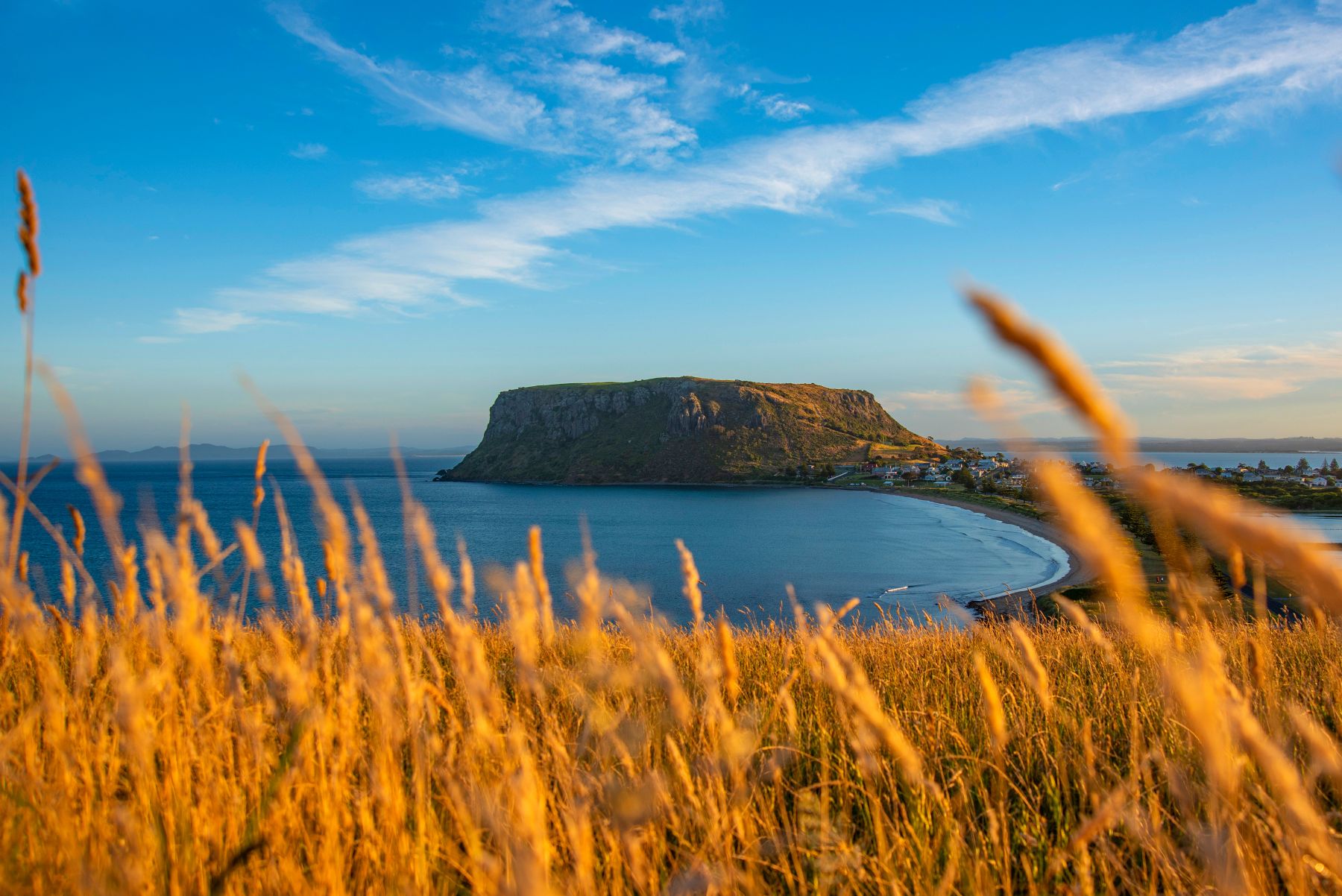
A gentle amble west brings you to Stanley, a pretty fishing town watched over by
The Nut,
a sheer-sided volcanic plug with panoramic views of Bass Strait.
Where to stop between Burnie and Stanley
Make a brief stop at Table Cape Lookout near Wynyard for wide ocean vistas, then continue through green dairying country that runs right down to the sea.
Things to do in Stanley
Stretch your legs on The Nut’s summit loop for 360-degree views, or ride the chairlift for an easy ascent. Wander Stanley’s historic streets, explore Highfield Historic Site’s windswept grounds, and at dusk check the Godfreys Beach penguin viewing platform in season.
Where to stay in Stanley
Stay at BIG4 Stanley Holiday Park, set beside the sand with powered sites and a front-row seat to sunsets over the headland.
Day 6: Stanley to Cradle Mountain
Distance: 180 kms
Travel time: ~3 hours
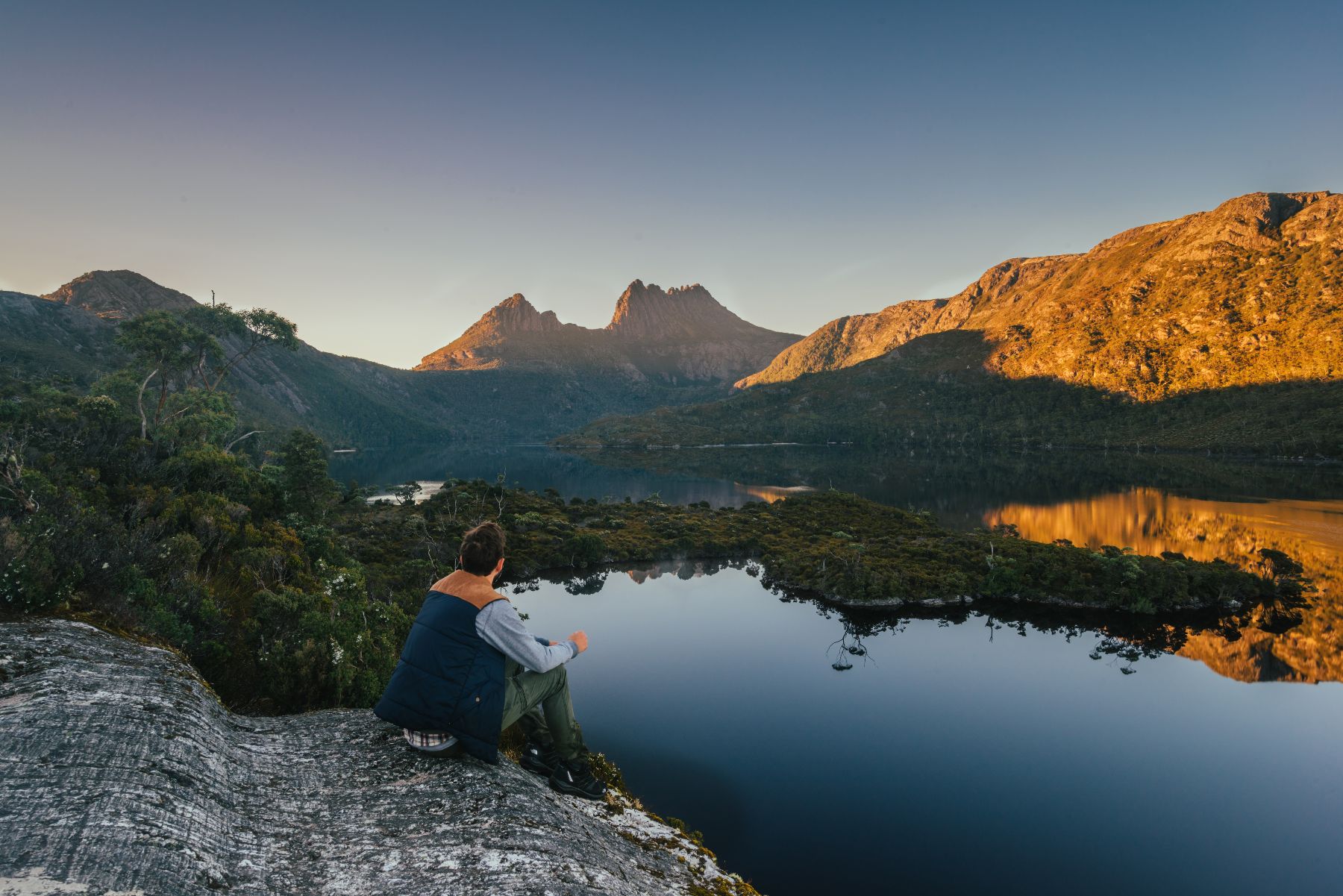
Turn inland to the high country as pasture gives way to rainforest and buttongrass moorlands. Your goal is
Cradle Mountain,
a hiker’s haven of alpine lakes and ancient pines.
Where to stop between Stanley and Cradle Mountain
Break the journey at
Dip Falls
to wander among towering blackwood and myrtle before descending to the impressive two-tiered cascade. Continue via the Murchison Highway with occasional lookouts to admire wild, folded ranges.
Things to do in Cradle Mountain
Park at the visitor centre and take the shuttle to
Dove Lake
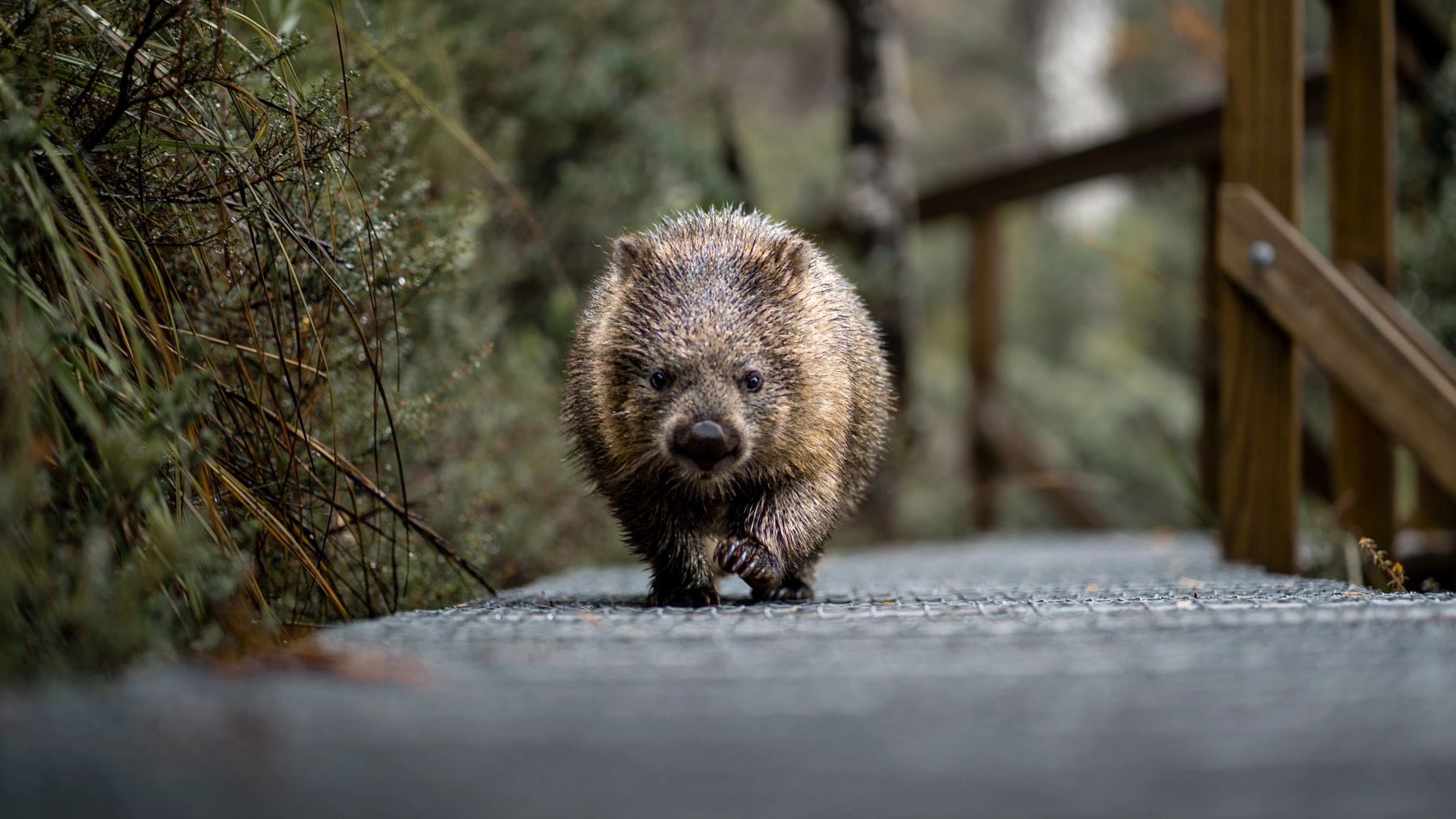
for the iconic 6 km circuit beneath Cradle’s crags, weaving through mossy rainforest and across buttongrass plains. The short Enchanted Walk is perfect for families, while dusk at Ronny Creek often rewards with grazing wombats and pademelons. Keep eyes peeled for pink robins and currawongs in the forest.
Where to stay in Cradle Mountain
Book a powered site at Discovery Parks Cradle Mountain, close to the visitor centre and shuttle, with warm amenities for chilly alpine evenings.
Day 7: Cradle Mountain to Strahan
Distance: 145 kms
Travel time: ~2.5 hours
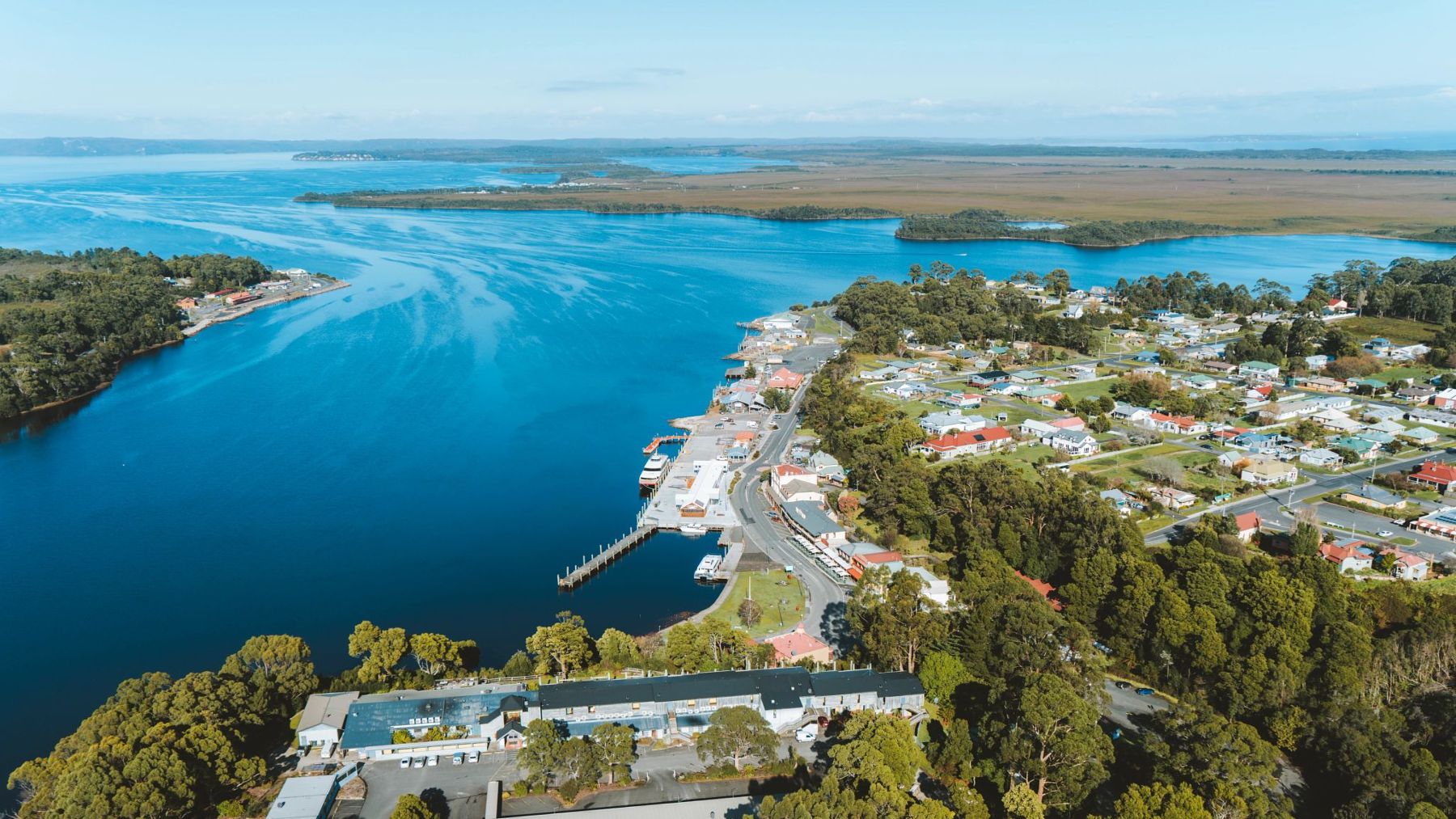
Descend through mountain passes into Tasmania’s wild West Coast, swapping alpine air for salt spray and sprawling dunes around the historic harbour town of Strahan.
Where to stop between Cradle Mountain and Strahan
Stretch your legs at the short rainforest walk to Nelson Falls near the Lyell Highway, then take in the stark beauty of the Queenstown moonscape before the road winds back into rainforest and finally opens out to the sea.
Things to do in Strahan
Book a
Gordon River cruise
to glide across tannin-dark waters into World Heritage wilderness, or take an easy amble to Hogarth Falls in People’s Park where platypus are sometimes seen. Drive out to Ocean Beach for a long, wild shoreline walk and visit the Henty Dunes for sandboarding or a thigh-burning climb to sweeping views.
Where to stay in Strahan
BIG4 Strahan Holiday Retreat offers roomy, sheltered sites beside a creek and easy access to town, while Strahan Beach Tourist Park sits an easy stroll from the sand.
Day 8: Strahan to Lake St Clair (Derwent Bridge)
Distance: 135 kms
Travel time: ~2 hours
Head back into the highlands to the southern end of Cradle Mountain-Lake St Clair National Park, where Australia’s deepest freshwater lake sits cupped by forested mountains.
Where to stop between Strahan and Lake St Clair
Visit the Iron Blow Lookout above Queenstown to appreciate the region’s mining history and rugged topography, then continue through rainforest-clad valleys with occasional glacial tarns glittering roadside.
Things to do in Lake St Clair
Choose gentle lakeside walks like the Watersmeet Track to hear the hum of rainforest and the rush of conjoining rivers, or stroll to Platypus Bay at dawn or dusk for your best chance at a sighting. Anglers can try their luck for wild trout with the appropriate inland fishing licence, and picnickers will find scenic tables near Cynthia Bay.
Where to stay in Lake St Clair
Base yourself at Lake St Clair Tourist Park at Cynthia Bay for powered and unpowered sites amid towering eucalypts, close to the visitor centre and trailheads.
Day 9: Lake St Clair to Hobart
Distance: 180 kms
Travel time: ~2.5 hours
Make a leisurely return to
Hobart
through the Derwent Valley, detouring into one of Tasmania’s oldest national parks for a final hit of waterfalls, tree ferns and giant eucalypts.
Where to stop between Lake St Clair and Hobart
Stop in
Mount Field National Park
to wander the easy track to Russell Falls and nearby Horseshoe Falls, then crane your neck on the Tall Trees walk to see swamp gums soaring skyward. Continue via New Norfolk for a riverside picnic and a stroll across the town’s bridge.
Things to do in Hobart
Arrive in time for a relaxed afternoon exploring Salamanca’s waterfront galleries and Battery Point’s sandstone cottages. If time allows, drive partway up kunanyi or stroll in the Royal Tasmanian Botanical Gardens to unwind among cool-climate collections.
Where to stay in Hobart
For your final nights, BIG4 Hobart Airport Tourist Park offers convenient access for departure day, while Hobart Showground Motorhome Park provides easy proximity to the city.
Day 10: Hobart
Distance: 40 kms
Travel time: ~1 hour
Make this a gentle finale in and around the capital.
Things to do in Hobart
Rise early to drive the summit road to kunanyi for staggering views across the Derwent if the road is open, then explore short summit walks and viewing platforms if the weather is clear. Animal lovers can visit
Bonorong Wildlife Sanctuary
to meet Tasmanian devils, wombats and quolls and learn about local conservation. On Saturdays, browse
Salamanca Market
for artisanal goodies and seasonal produce, then slow the pace with a heritage wander through Battery Point’s lanes or a waterside walk at Cornelian Bay watching for black swans and cormorants. It is an easy final day that rounds out your circle with a satisfying sense of place.
Where to stay in Hobart
Stay another night at BIG4 Hobart Airport Tourist Park for a smooth getaway, or choose Hobart Showground Motorhome Park to be within a short drive of the CBD.
Before you roll out, double check park pass validity, shuttle times for Cradle Mountain if you plan a return visit, and any seasonal wildlife-viewing guidelines. Most rod-and-line sea fishing does not require a licence, though some activities such as rock lobster and abalone do. Inland waters require an angling licence, and bag and size limits apply statewide. In winter or the shoulder seasons, monitor alpine road conditions, carry warm layers and allow extra time for mountain and West Coast drives. Your Apollo 2WD camper is ideal for this loop when you keep to
sealed roads
and short, well maintained access tracks into recognised campgrounds.
Circle Tasmania delivers a satisfying mix of beaches, peaks and wilderness, all at a pace that lets you savour the moments in between. When you’re ready, you can easily
book your Apollo camper online
and pick it up from your closest Apollo branch before hitting the road.
