Guide to Border Ranges National Park
High in the Northern Rivers of New South Wales, Border Ranges National Park feels like a world apart. This is a place of ancient Gondwana rainforest, sweeping escarpment views, misty picnic spots and winding scenic roads that make the journey as memorable as the destination. For travellers exploring by campervan, it is one of those rewarding stops where you can slow down, breathe in the cool mountain air and spend your days moving between lookouts, walking tracks and peaceful campsites.
Part of the World Heritage-listed Gondwana Rainforests of Australia, the park sits along the rim of the Tweed Caldera and delivers some of the most dramatic rainforest scenery in the region. Whether you are planning a quick detour from Murwillumbah or Kyogle, or building a longer Northern NSW road trip, Border Ranges National Park offers the kind of nature escape that is easy to love and hard to forget.
Why do people go to Border Ranges National Park?
People come to Border Ranges National Park for its rare mix of scenic access and deep wilderness atmosphere. The park protects a remarkable stretch of subtropical rainforest with plant and animal life that traces back to Gondwana, giving it a sense of age and significance that you can feel the moment you step beneath the canopy. It is the kind of place where ancient Antarctic beech trees, mossy gullies and towering palms create a landscape that feels both dramatic and calming.
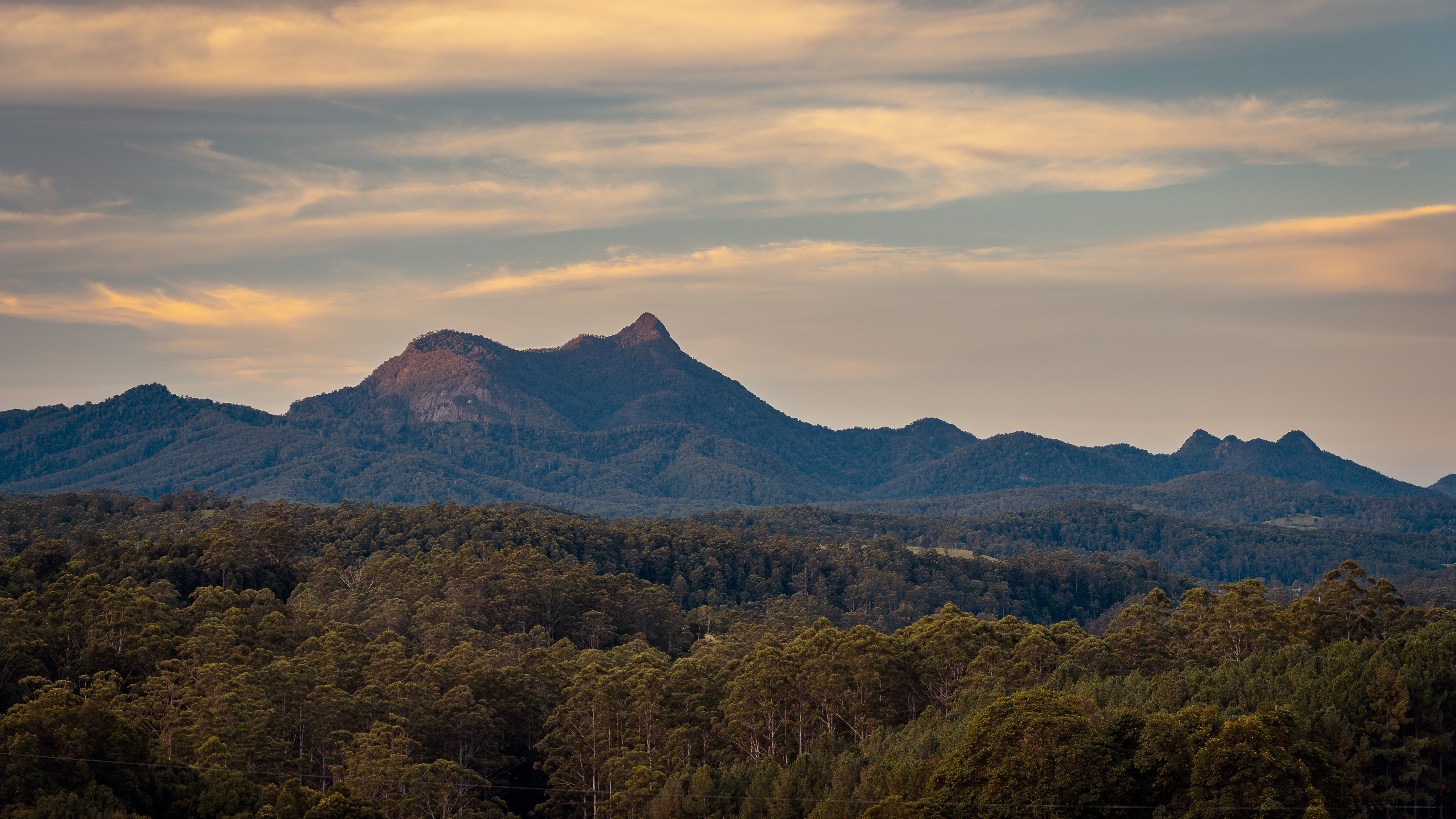
Another big draw is the scenery from the escarpment. Lookouts such as Blackbutt offer panoramic views across Wollumbin, the Tweed Valley and the vast eroded caldera that shapes this part of the border region. For many visitors, the appeal lies in being able to combine those big views with short walks, scenic drives, birdwatching and a quiet picnic, all in the one day.
It is also a great destination for campervan travellers because the park is best experienced at an unhurried pace. You can drive the Tweed Range Scenic Drive, stop at lookouts as you go, walk through rainforest in the morning and settle into a campground by afternoon. If your ideal road trip includes cool-climate forest, wildlife, fewer crowds and memorable overnight stops, this park delivers.
How long should I spend at Border Ranges National Park?
A full day is enough to enjoy some of the park's highlights, especially if you want to drive through, stop at a couple of lookouts and fit in one short walk. In a day, you can take in the Tweed caldera views, enjoy a picnic among the rainforest and experience the atmosphere that makes this park so special.
If you have more time, staying 2 to 3 days allows for a more relaxed visit. That gives you time to explore several walking tracks, spend longer at key lookouts, enjoy the scenic drive without rushing and stay overnight in the forest. It also gives you some flexibility if the weather rolls in, which can happen quickly in this part of the world.
Walk times vary depending on what you choose. The Palm Forest walking track is a short and easy rainforest option, while the Rosewood loop is a longer walk that can take 1 to 2 hours. For more experienced walkers, the Booyong walking track is a bigger commitment and can take 5 to 6 hours one way. If you are travelling by campervan, an overnight stay makes it much easier to enjoy those longer experiences comfortably.
How to get to Border Ranges National Park
Border Ranges National Park is in Northern NSW, near Murwillumbah, Kyogle and the Queensland border. The park can be reached by road from several directions, making it a good fit for travellers touring the Northern Rivers or coming down from southeast Queensland.
From Lismore, drive northwest via Kyogle and continue toward Wiangaree. This route is a practical choice for many travellers, with sealed roads for part of the approach before unsealed sections closer to the park. From Murwillumbah, you can head west along Kyogle Road and continue via Lillian Rock and Williams Road, with some unsealed sections along the way. If you are coming from Queensland, the usual alternative route is via Mount Lindesay Highway to Rathdowney, then Summerland Way toward Wiangaree and Lynches Creek Road.
Before you go, it is worth checking current road conditions and park alerts, especially after wet weather. Some roads are gravel, mobile reception is very limited in the park, and there are no fuel or major services once you are inside. For campervan travellers, that means topping up fuel, water and supplies before arrival and downloading maps in advance.
.jpeg "AdobeStock_598488916-(1).jpeg")
Best time to visit Border Ranges National Park
Border Ranges National Park can be visited year-round, but the best time for many travellers is autumn through winter, especially from around May to August. During these months, conditions are usually milder, the air is crisp and clear, and rainfall is often lower than in the wetter summer period. This makes scenic driving, walking and camping more comfortable.
Spring is also a lovely time to visit if you do not mind the chance of showers. The rainforest looks especially fresh, birdlife is active, and the park feels vibrant after rain. Summer has its appeal too, with lush greenery at its peak, but it can be hot, humid and wetter, which may affect walking conditions and visibility at the lookouts.
If you are planning a campervan trip, the shoulder seasons are particularly rewarding. You are more likely to enjoy manageable driving conditions, cooler nights for sleeping and comfortable daytime temperatures for walking. No matter the season, it is always wise to allow some flexibility in your itinerary because the weather can shape your experience here.
Weather in Border Ranges National Park
The weather in Border Ranges National Park is typically subtropical, with warm, wet summers and cooler, relatively drier winters. Summer daytime temperatures generally range from around 18°C to 30°C, while winter days are mild and nights can become quite cool, especially in elevated parts of the park.
Rain is a major factor here. This is rainforest country, and conditions can change quickly. February is typically the wettest month, and summer is generally wetter than winter. Even on a fine day, shaded sections of track can stay damp and slippery.
Pack for variation rather than one forecast. Layers, a rain jacket and sturdy walking shoes are useful at any time of year. If you are camping, bring warm clothing for the evening and make sure you have enough drinking water, because services inside the park are limited. Insect repellent is also a smart addition, especially in warmer months.
What are the best things to do and see at Border Ranges National Park?
The best way to experience the park is to combine its scenic drive with a few stops on foot. The Tweed Range Scenic Drive is one of the biggest highlights, following the caldera rim through rainforest and past some of the most impressive lookouts in the area. It is an ideal route for campervan travellers because you can enjoy the landscape at a relaxed pace and stop often for photos, picnics and short walks.
Blackbutt lookout is one of the standout sights in the park. From here, you can look out across Wollumbin and the Tweed Valley from the escarpment edge, with layer upon layer of green ridgelines stretching into the distance. Antarctic Beech picnic area is another must-see, both for its cool-climate rainforest feel and its views north toward the Lost World wilderness and Lamington National Park.
Walking tracks suit a range of fitness levels. The Palm Forest walking track is an easy choice if you want a short rainforest walk with palms, birdlife and a scenic waterfall. Border Loop walk is another short option, offering a circuit through rainforest with valley views and the chance to spot koalas in the canopy. If you want a little more time on the trail, the Bar Mountain circuit delivers beautiful World Heritage rainforest and lookout views, while the Rosewood loop adds a longer forest experience with a creek-side picnic spot and swimming hole. For more experienced walkers, the Booyong walking track is a longer one-way hike into the park's rainforest interior.
Wildlife is part of the experience here, too. Birdwatchers are especially well rewarded, and the park is known for its rich birdlife, including species such as fruit-doves, catbirds and honeyeaters. At dawn and dusk, keep an eye out for pademelons and other shy forest animals. It is not a park of thrill rides or busy attractions. Its magic is slower and quieter, built around scenery, bird calls, cool forest air and the feeling of being immersed in one of Australia's ancient natural landscapes.
Great stops to add to your visit
Blackbutt lookout for sweeping views across the Tweed Caldera
Antarctic Beech picnic area for ancient trees, birdwatching and a picnic
Palm Forest walking track for an easy rainforest walk
Border Loop walk for a short circuit and valley outlook
Bar Mountain circuit for a half-day hike with panoramic scenery
Rosewood loop for a longer walk with creek access and a swimming spot
Sheepstation Creek campground as a base for walks and an overnight stay
Best place to park your campervan at Border Ranges National Park
For campervan travellers, Sheepstation Creek campground is one of the most suitable in-park options. It is a practical base if you want to stay overnight in the park, with facilities including toilets, barbecues and picnic tables. It is also well-suited to larger groups and travellers using a caravan, motorhome or campervan. From here, you can easily access nearby walking tracks and settle into the rainforest setting without needing to drive back out at the end of the day.
Forest Tops campground is another option inside the park, but it is much smaller and better suited to tent camping rather than campervans. If you are travelling by campervan and want a straightforward place to stay close to the attractions, Sheepstation Creek is likely to be the better fit.
For day visits, you will find parking at places like Blackbutt Lookout and some picnic areas, but these are stop-and-go options rather than overnight parking spots. There are no powered sites inside the national park, so if you prefer more facilities, it can be worth looking at caravan parks or camping options in nearby towns before or after your visit. As always, bring your own drinking water and supplies, because the park is remote and services are minimal.
Things to watch for at Border Ranges National Park
As beautiful as Border Ranges National Park is, it is important to come prepared. Some lookouts sit on escarpment edges, so take care near cliffs and stay behind barriers. Tracks can become muddy and slippery after rain, especially in shaded rainforest sections, so proper footwear makes a big difference.
Wildlife is part of the attraction, but it also means paying attention. Snakes may be present in warmer weather, and smaller rainforest nuisances such as leeches and ticks can be more active in damp conditions. Stick to the track, avoid brushing through dense vegetation where possible, and give all wildlife plenty of space.
Perhaps the biggest practical thing to watch for is the park's remoteness. Mobile reception is very limited, there is no fuel inside the park, and the weather can change quickly. For campervan travellers, the safest approach is to arrive well supplied, drive carefully on gravel sections, check alerts before you leave and avoid relying on phone signal once you are in the forest. With a little planning, the reward is a peaceful and unforgettable stop on your Northern NSW road trip.
Border Ranges National Park is the kind of place that reminds you why road trips work so well in Australia. You can wake up in your campervan, follow a scenic mountain road through ancient rainforest, stop for sweeping caldera views and finish the day surrounded by birdsong and cool forest air. If you are looking for a lesser-known national park that feels adventurous, scenic and genuinely special, this is one worth adding to your route.
FAQs and quick answers
How much does it cost to go to Border Ranges National Park?
Park entry is $8 per vehicle per day. Camping costs extra, and NSW National Parks also offers annual park passes if you are visiting multiple fee-charging parks.What is there to do in Border Ranges National Park?
Top things to do include Blackbutt lookout, Pinnacle walk, Border Loop walk, Bar Mountain circuit, scenic driving and camping at Sheepstation Creek campground.What are the big 5 national parks in Australia?
Australia's most iconic national parks are Kakadu, Uluru-Kata Tjuta, Daintree, Blue Mountains and Cradle Mountain-Lake St Clair.What is the prettiest national park to visit in Australia?
Border Ranges is certainly one of the prettiest in Northern NSW if you like rainforests, escarpment views and quieter scenery. Across Australia, places like Kakadu, Daintree, Uluru-Kata Tjuta and Cradle Mountain-Lake St Clair are more often named among the most beautiful.
Road trips that pass through
Rainforest Way Road Trip: Our 5-Day Campervan Itinerary Through Australia’s Ancient Rainforests
