What Should I Pack for a Campervan Holiday in New Zealand? The Ultimate Packing Guide
Packing for a campervan trip is closer to packing for a hotel than for a camping holiday. Most campervans already come with the big essentials such as bedding, bath towels and kitchen gear, so you can focus on the items that make day-to-day travel comfortable. If you are wondering 'What should I pack for a campervan road trip in New Zealand?' - the short answer is simple: pack light, pack in layers, and bring practical items for changing weather.
New Zealand can take you from subtropical beaches to alpine passes in the same trip, sometimes within a few days. You could be exploring beaches in the Bay of Islands one day and crossing alpine passes in the South Island the next. That is why the best New Zealand packing list is built around versatility rather than volume. This guide covers what to pack for a campervan trip, what you can usually leave at home, plus summer and winter checklists to make planning easier.
Handy downloadable resources:
Why Packing for New Zealand Is Different
New Zealand is compact, but its weather is wonderfully varied. The far north is often warm and subtropical, central inland areas can be cooler because of elevation, and the South Island includes dry plains, wet coastlines and cold alpine regions. For travellers, that means one suitcase full of single-season outfits rarely works.
The smartest New Zealand road trip packing list is based on changing conditions, not just the forecast temperature. It is common to need a T-shirt, a warm layer and a waterproof jacket all in the same day. Even in summer, lakeside towns, mountain roads and higher elevations can cool down quickly once the sun drops.
Instead of overpacking, aim for a compact wardrobe that layers easily and works across beach stops, scenic walks, towns and campgrounds. A flexible setup will serve you far better than trying to plan separate outfits for every destination.
What to Pack for a New Zealand Campervan Holiday
Before you start filling your bags, check your rental vehicle inventory. All Apollo campervans include cooking facilities, cookware, crockery, utensils, bedding and bath towels, but additional inclusions can vary by model. Once you know what is already onboard, it becomes much easier to build a realistic New Zealand motorhome holiday packing checklist.
For luggage, soft bags can be easier to store than large hard-shell suitcases and can help you make better use of locker and cabin space. Alongside clothes and toiletries, keep your key documents handy, including your passport, visa or NZeTA if needed, driver licence, rental paperwork, insurance details, medication list and emergency contacts.
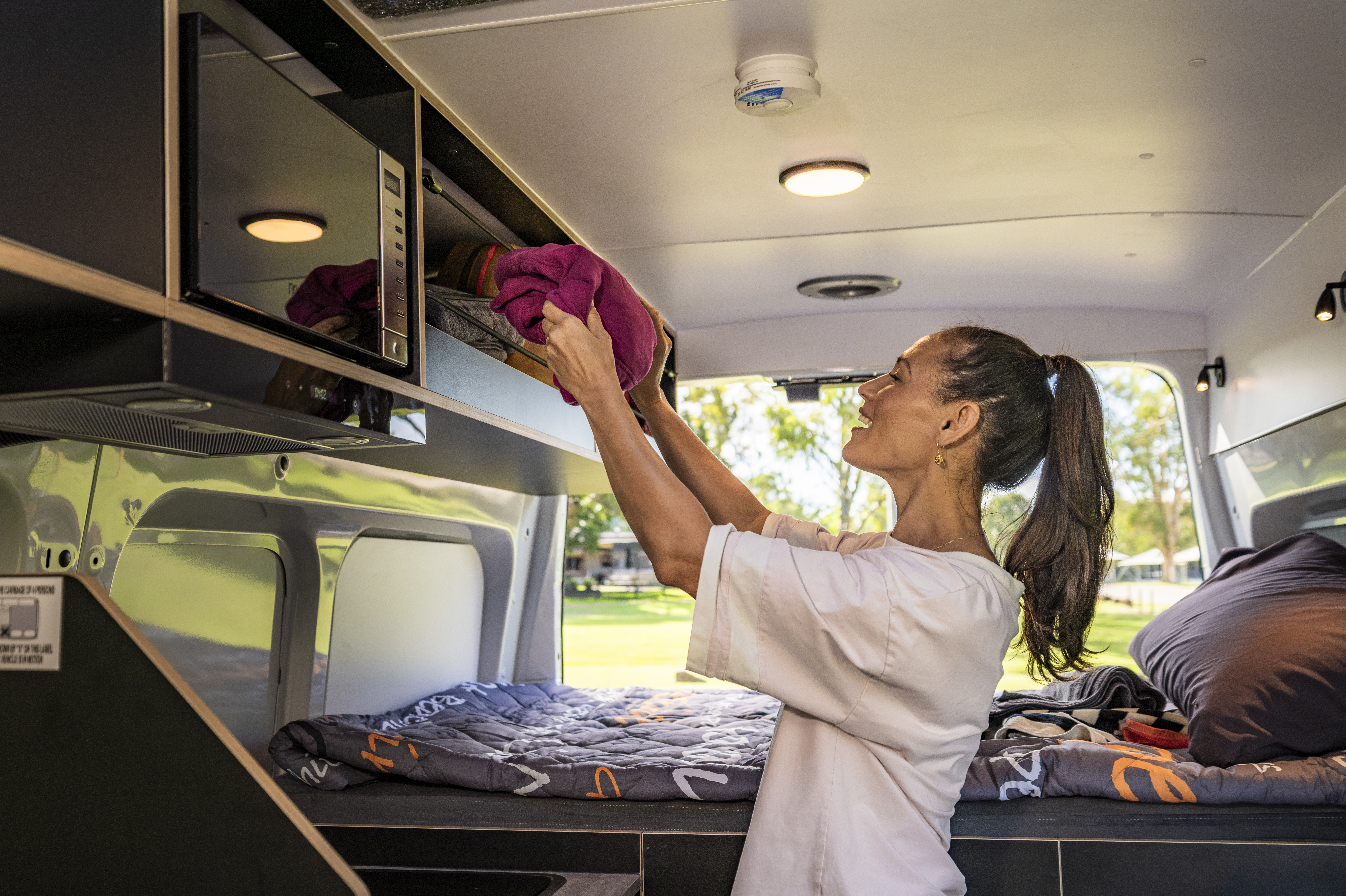
Clothes
When it comes to campervan essentials New Zealand travellers actually use every day, clothing should be practical, layerable and comfortable. Pack T-shirts, long-sleeve tops, comfortable pants, shorts, underwear, socks and pyjamas. Add a warm jumper or fleece, a lightweight puffer jacket and a waterproof jacket that can handle wind and rain.
For footwear, bring comfortable walking shoes plus sandals or jandals for campsites, public showers and relaxed stops by the water. Swimwear is always worth packing, whether you are heading to the beach, a lake, hot pools or simply taking advantage of a sunny afternoon. Finish your list with a hat and sunglasses.
Even during summer, evenings can be cool, particularly in alpine and lakeside regions. Quick-dry clothing and merino layers are especially useful because they are easy to wash, dry and rewear. In most cases, you can leave bulky coats, formalwear and multiple pairs of shoes at home.
Kitchen and Food
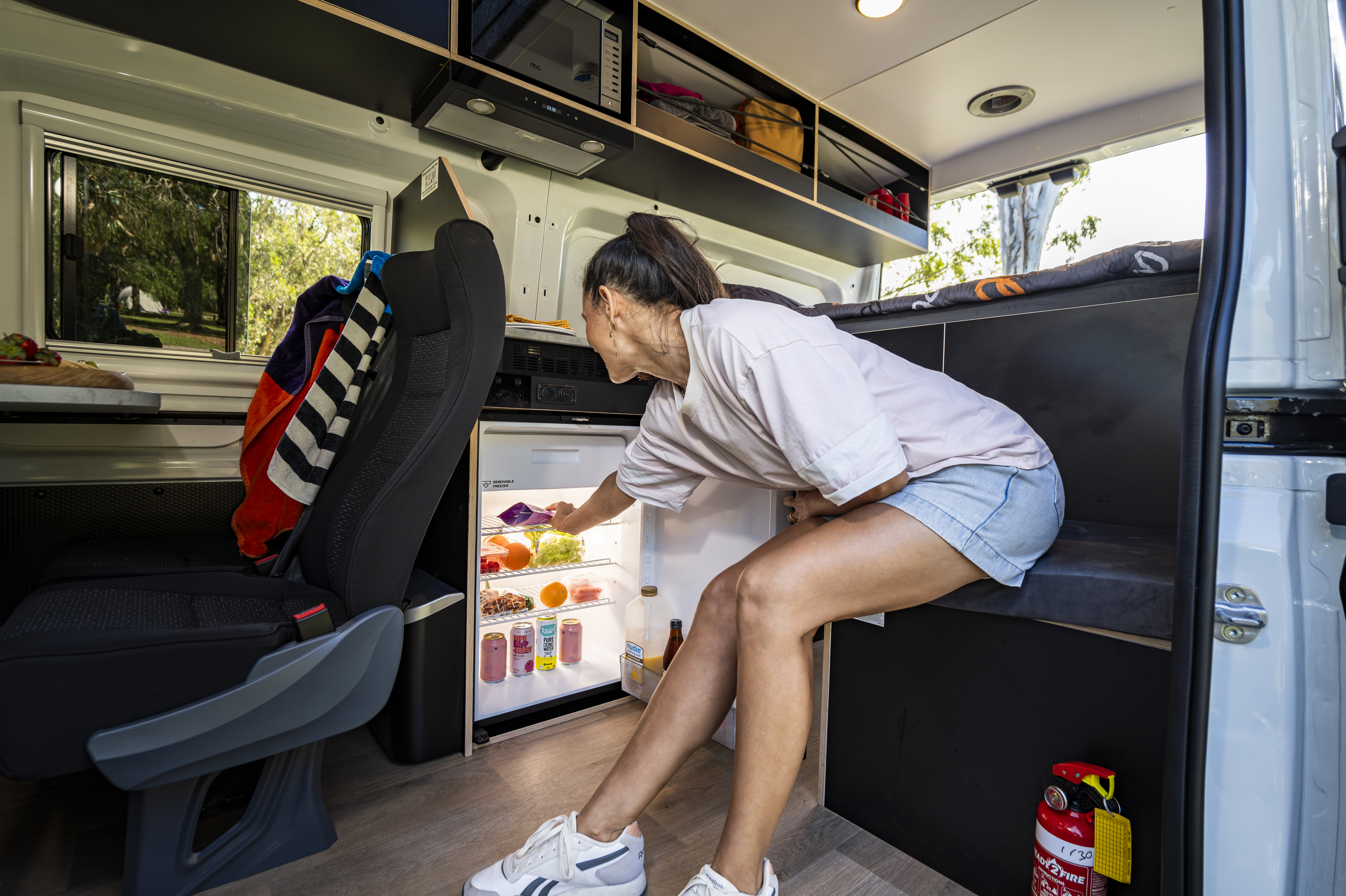
All Apollo campervans include cooking facilities, cookware, crockery and utensils, so your packing can stay simple. Rather than bringing pots, pans, plates, bowls or cutlery, focus on the extras that make life on the road easier. A practical motorhome packing checklist NZ travellers can follow should include reusable water bottles, snacks for driving days, tea and coffee, favourite condiments, lunch containers and reusable shopping bags.
Instead of buying groceries for your entire trip on day one, stock up every few days as you move through towns and regional centres. This saves space in the campervan, reduces food waste and makes it easier to adapt your meals to where you are travelling. A small first shop with breakfast basics, easy lunches, fruit, snacks and one or two simple dinners is usually enough to get started.
If you are arriving from overseas, remember that New Zealand takes biosecurity seriously. Food, outdoor gear and certain natural materials may need to be declared on arrival, so it is best to travel with clean footwear and avoid packing risky food items from home.
Bathroom Essentials
Your bathroom kit should cover the basics without taking up too much room. Bring toiletries, toothbrush and toothpaste, shampoo and conditioner, prescription medications, personal hygiene products and a small first-aid kit if you have one already (your campervan will also be supplied with one which you'll be charged for if opened). It is also worth packing hand sanitiser, tissues and wet wipes for quick roadside stops.
Sunscreen, lip balm and insect repellent belong on every New Zealand travel packing guide. While New Zealand's sun can feel milder than Australia's, UV levels remain high year-round, especially around beaches, lakes and mountain areas. A broad-brimmed hat and good sunglasses are just as important as SPF.
Sleep and Comfort
One of the big benefits of campervan travel with Apollo is that you do not need to pack bedding. Apollo rentals include sheets, blankets, doonas/duvets and bath towels, which frees up a surprising amount of space. That alone makes it much easier to keep your New Zealand campervan packing list compact.
The one comfort item many people still like to bring is their own pillow. It is not essential, but it can make nights feel more comfortable. Other optional extras include an eye mask, ear plugs, a travel blanket, slippers and a hot water bottle for winter trips.
Tech and Entertainment
A good 'what to pack for a campervan trip' checklist should always include your everyday tech. Pack a phone charger, power bank, camera, headphones and an e-reader or tablet if you like having entertainment ready for evenings.
Before you leave reliable Wi-Fi, download playlists, maps, travel documents and any campground or ferry confirmations you might need. Coverage can be limited in remote areas, so offline maps are highly recommended. Weather and road apps are also useful for checking conditions before longer drives, especially if your route includes exposed highways, alpine roads or the Cook Strait crossing.
If you are visiting from overseas, pack a New Zealand power adaptor. It is a small item, but one worth remebering to take with you.
Campervan-Specific Extras
A few campervan-specific items can make your trip much smoother. Useful additions include a torch or headlamp, a small daypack, a picnic rug, a reusable coffee cup, travel games and a dry bag for water activities or wet gear.
Optional extras such as a camping table and camping chairs are worth considering if they are not already included in your rental and you plan on scenic outdoor meals. They are perfect for lakeside lunches, beach stops and scenic freedom camping locations.
Try not to overdo it with bulky outdoor gear. Storage is always more limited than it first appears, especially once you add groceries, clothes and everyday items into the mix.
Summer Campervan Packing List (December to February)
Summer travel calls for breathable clothing and strong sun protection, but it is still smart to prepare for changeable weather. Your summer New Zealand road trip packing list should include T-shirts, shorts, lightweight layers, walking shoes, sandals, swimwear and sleepwear.
For sun protection, pack sunglasses, sunscreen, a hat and lip balm. For activities, include a beach towel, daypack and picnic rug. On the practical side, do not forget chargers, a power bank, insect repellent, medications and a reusable water bottle.
| Category | What to Pack |
|---|---|
| Clothing | T-shirts, shorts, lightweight layers, swimwear, sleepwear, waterproof jacket |
| Sun Protection | Hat, sunglasses, sunscreen, long sleeved shirts, lip balm |
| Footwear | Sandals, walking shoes |
| Tech | Phone charger, power bank, iPad or e-reader |
| Health | Medications, moisturiser, insect repellent, toiletries |
| Extras | Reusable water bottle, beach towel, daypack, picnic rug |
Summer packing tip: always pack a waterproof jacket. Even sunny destinations can experience sudden weather changes.
Winter Campervan Packing List (June to August)
Winter packing is all about warm layers without too much bulk. A strong New Zealand motorhome holiday checklist for colder months should include thermals or merino base layers, a fleece or jumper, a puffer jacket and a waterproof outer layer.
Closed walking shoes or boots are a much better choice than open footwear in winter, especially if you are visiting higher-altitude or southern destinations. Add gloves, a beanie, a scarf, warm socks and comfortable sleepwear for cold nights. A favourite pillow, hot water bottle and hot drink flask can also make a winter road trip feel much cosier.
| Category | What to Pack |
|---|---|
| Clothing - Base Layers | Thermals/merino base layers, fleece/jumper, sleepwear, warm socks, long pants |
| Outerwear | Waterproof jacket, warm coat/puffer jacket, gloves, beanie, hat, sunglasses |
| Footwear | Closed walking shoes |
| Tech | Phone charger, power bank, iPad or e-reader |
| Health | Lip balm, moisturiser, sunscreen, insect repellent, toiletries, medications |
| Sleep & Comfort | Warm layers, slippers for inside the campervan, hot water bottle |
| Extras | Hot drink flask, reusable water bottle, small day pack |
Winter packing tip: merino wool is ideal for New Zealand road trips because it is warm, lightweight and easy to layer.
Regional Packing Tips
The North Island is generally milder year-round, so lightweight clothing, swimwear, sun protection and a light jumper for evenings will suit many routes. If your trip includes the Bay of Islands, Northland or Auckland, summer clothing will likely do most of the work, but a waterproof or windproof layer still earns its place in the van.
For the central North Island, especially around higher-elevation areas, add warmer layers than you might expect. Places around volcanic plateaus and inland lakes can cool down quickly. Wellington also rewards anyone who packs a wind-resistant outer layer.
The South Island usually needs a more thoughtful approach. Extra layers, waterproof clothing, a warm jacket and sturdy footwear are all smart inclusions, especially around mountain regions. The West Coast can be very wet, while inland and eastern areas can swing between sunny days and cold mornings or evenings. During winter, gloves and a beanie are well worth having on hand.
_1.jpg "Mighty_Deuce-Plus_AU_QLD_Noosa-1400564-(1)_1.jpg")
What Not to Bring
Many first-time travellers overpack because they do not realise how much is already included in a campervan. In most cases, you can leave bedding, sheets, blankets, towels, pots and pans, plates and bowls, cutlery, cooking utensils and other kitchen equipment at home, as long as your rental inventory confirms they are supplied - check out the full list here.
Usually unnecessary items include large hard-shell suitcases, multiple coats, too many shoes, bulky camping equipment, spare kitchen items and a week's worth of groceries. These things take up precious room and make it harder to stay organised once you are on the road.
The lighter you pack, the easier your campervan holiday becomes. Soft bags are easier to store and leave more room for groceries, outdoor gear and souvenirs.
| Included in Apollo Campervan Hire | Pack or Buy | Optional Comfort Extras |
|---|---|---|
| Bedding – sheets, pillowcases, doona/duvet, blanket | Clothing | Your own pillow |
| Pillows | Toiletries | Eye mask |
| Bath towels | Sunscreen | Ear plugs |
| Cookware | Insect repellent | Picnic rug |
| Crockery (plates, bowls, cups) | Prescription medication | Travel games |
| Cutlery | Drinking water | Portable speaker |
| Cooking utensils | Food (including snacks, condiments and tea and coffee) | Reusable coffee cup/travel mug for hot drinks |
| Kettle | Reusable water bottles | Small daypack for walks and sightseeing |
| Toaster | Reusable shopping bags | Dry bag for beach days or water activities |
| Tea towel | Entertainment & electronics | Small torch or headlamp |
Downloadable New Zealand Campervan Packing Checklist
If you like to plan visually, a printable checklist can be a helpful way to stay on top of your trip prep before departure.
Download the New Zealand Campervan Packing Checklist and tick off everything you need before hitting the road.
Before Departure: Quick Checklist
- Travel documents, licence and payment cards
- Clothing and comfortable footwear
- Toiletries, medications, sunscreen and insect repellent
- Reusable water bottles
- Chargers, cables and a power bank
- Downloaded maps and entertainment
- Comfort items (own pillow, eye mask, ear plugs)
- Seasonal extras (swimwear, thermals, rain jacket, etc.)
- Optional add-ons (camping table and chairs) booked if required
When you’re ready, you can easily book your Apollo camper online and pick it up from your closest Apollo branch before hitting the road.
FAQs and quick answers
How much space do I have for packing?
Storage varies between campervan models, but most travellers find there is plenty of room for clothing, food and everyday essentials. Soft duffle bags and packing cubes are generally easier to store than rigid suitcases.
Do I need to bring bedding?
No. Bedding and linen are included, although many travellers prefer bringing their own pillow for added comfort – however this is optional.
What about food for the whole trip?
There is no need to buy groceries for the entire journey at once. New Zealand has supermarkets and local food stores throughout both islands, making it easy to shop as you travel.
Do campervans have washing machines?
Most campervans do not have washing machines. However, holiday parks and campgrounds across New Zealand commonly provide guest laundry facilities.
